Long COVID is not your typical post-illness fatigue or recovery phase. For those of us living with it, long COVID is not just a leftover cough or a little tiredness. It’s a condition that changes your whole life, showing up in physical ways that others cannot always see. This is more than stress, and it’s definitely not just in our heads. Long COVID is real, physical, and for many of us, it’s a whole new way of life.
It’s Not Stress, It’s Long COVID
One of the hardest parts of living with long COVID is hearing it’s “just stress” or “anxiety.” Sure, being sick is stressful, and managing a mysterious condition can weigh on us mentally, but those are effects, not causes. Long COVID shows up physically—think overwhelming fatigue, body aches that will not quit, shortness of breath, skin changes, and the notorious brain fog.
Real Talk: What Brain Fog Feels Like
Brain fog is not just forgetting where you put your keys; it is forgetting what keys are for. Imagine trying to follow a recipe but halfway through forgetting what stir means. Or having a conversation and losing track of what you were saying mid-sentence. It is like trying to work through a misty cloud, and no amount of coffee makes it any clearer.
A Day in the Life With Long COVID
A “good” day might mean getting through a few hours without needing to lie down. On bad days, even getting out of bed feels like running a marathon. The worst part? You can never predict which kind of day it will be. That unpredictability makes planning anything—work, family time, or even a grocery run—a real challenge.
Living with long COVID also means dealing with how others perceive you. We cancel plans, move slower, and sometimes seem “off.” It’s not laziness; it’s operating on a completely different energy and focus level than before.
The Doctor’s Office Challenge: Getting Help That Sticks
The medical world is just starting to catch up. Many of us spend hours with doctors, only to hear “Just give it time.” But when time stretches into months or years, waiting is not a solution.
What we really need are doctors who believe us, listen, and take action. Long COVID is not a mystery to those living it—we need medical experts who recognize it as real and can help manage symptoms like fatigue, brain fog, dizziness, and autonomic dysfunction.
Science Confirms: Long COVID is Physical
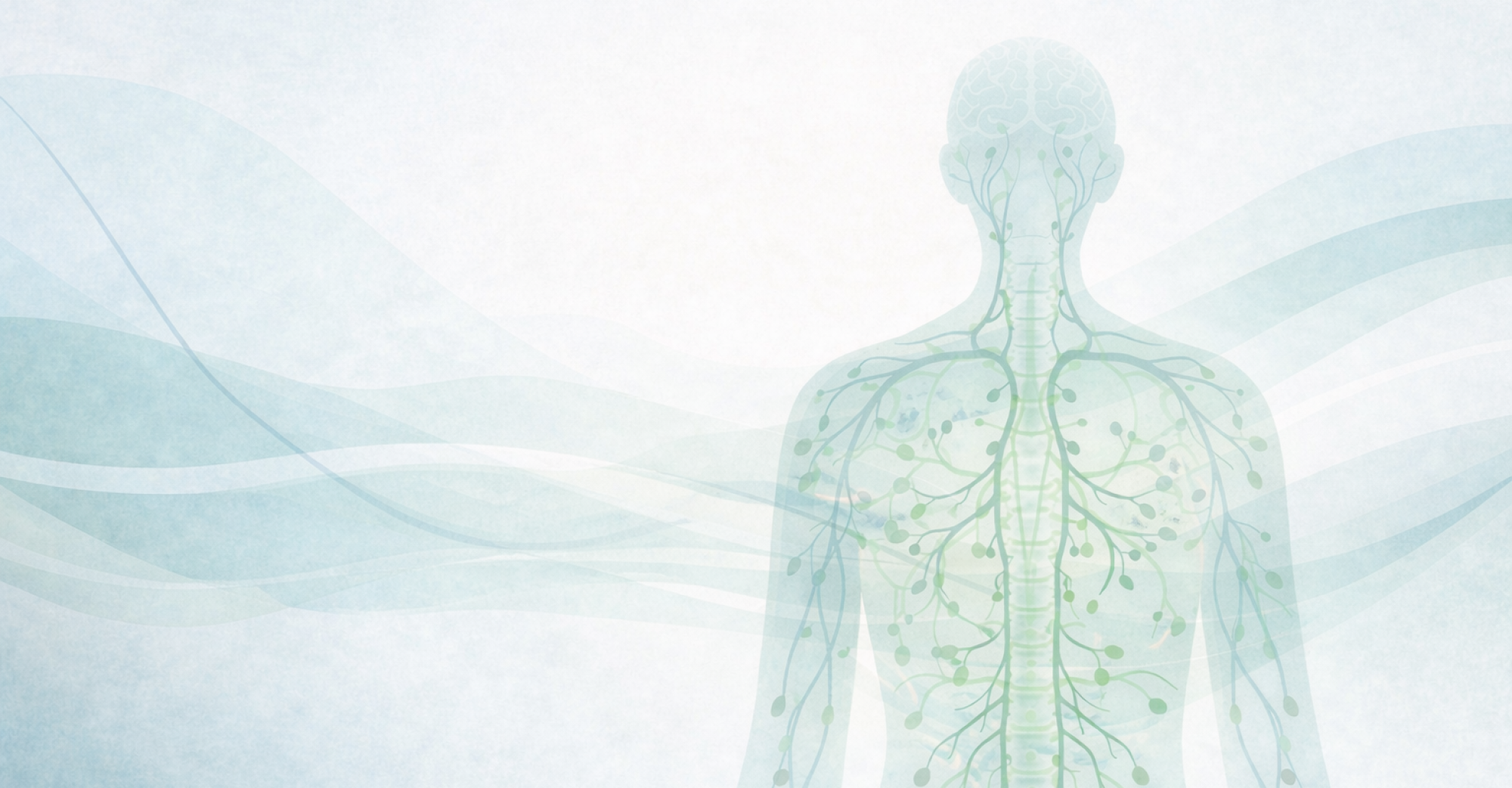
Research is still growing, but it is clear that long COVID affects our bodies in real ways. Studies show ongoing inflammation, immune responses, and even changes in organs. This is not imagination; it is a physical condition impacting the immune system, blood vessels, and nervous system.
Dealing With Misunderstandings
One of the biggest hurdles is society’s misunderstanding. How many of us have heard “Maybe you just need to get out more” or “You are probably just stressed”? Managing symptoms while constantly explaining or defending yourself is exhausting.
We are not asking for pity just recognition and understanding.
The Mental Toll of Long COVID
Though it is not a mental illness, long COVID can affect mental health. When people brush off symptoms, it can feel like gaslighting. Many of us start to question ourselves, feel guilty for needing rest, and worry why we cannot keep up.
Support groups and communities help. Being understood by people who get it makes a difference. But structured resources, mental health care, and doctors who acknowledge the condition are essential.
What Needs to Change
To truly support people with long COVID, key improvements include:
- Increased Research Funding: More studies are needed to understand physical impacts and develop targeted treatments.
- Accessible Treatments: Effective medications should be affordable and available through healthcare systems.
- Improved Medical Training: Doctors must recognize long COVID and treat it effectively without dismissing patients.
- Greater Social Awareness: Families, friends, and workplaces must understand the daily challenges and provide flexibility.
- Targeted Mental Health Support: Mental health resources should address stress, anxiety, and depression as effects, not causes.
- Government Support and Workplace Accommodation: Flexible work options and financial support help people stay employed without harming health.
Moving Forward: Hope and Advocacy
Sharing stories, research, and advocacy brings us closer to better understanding and treatment. Keep sharing your experiences and advocating. For those who know someone with long COVID, listen, believe, and support them. This is not just stress—this is a real, physical condition that deserves attention.
Disclaimer:
This content is informational and not medical advice. Always consult a qualified healthcare professional for personalized guidance, diagnosis, or treatment for Long COVID or any health concerns.
 Long Covid Journey