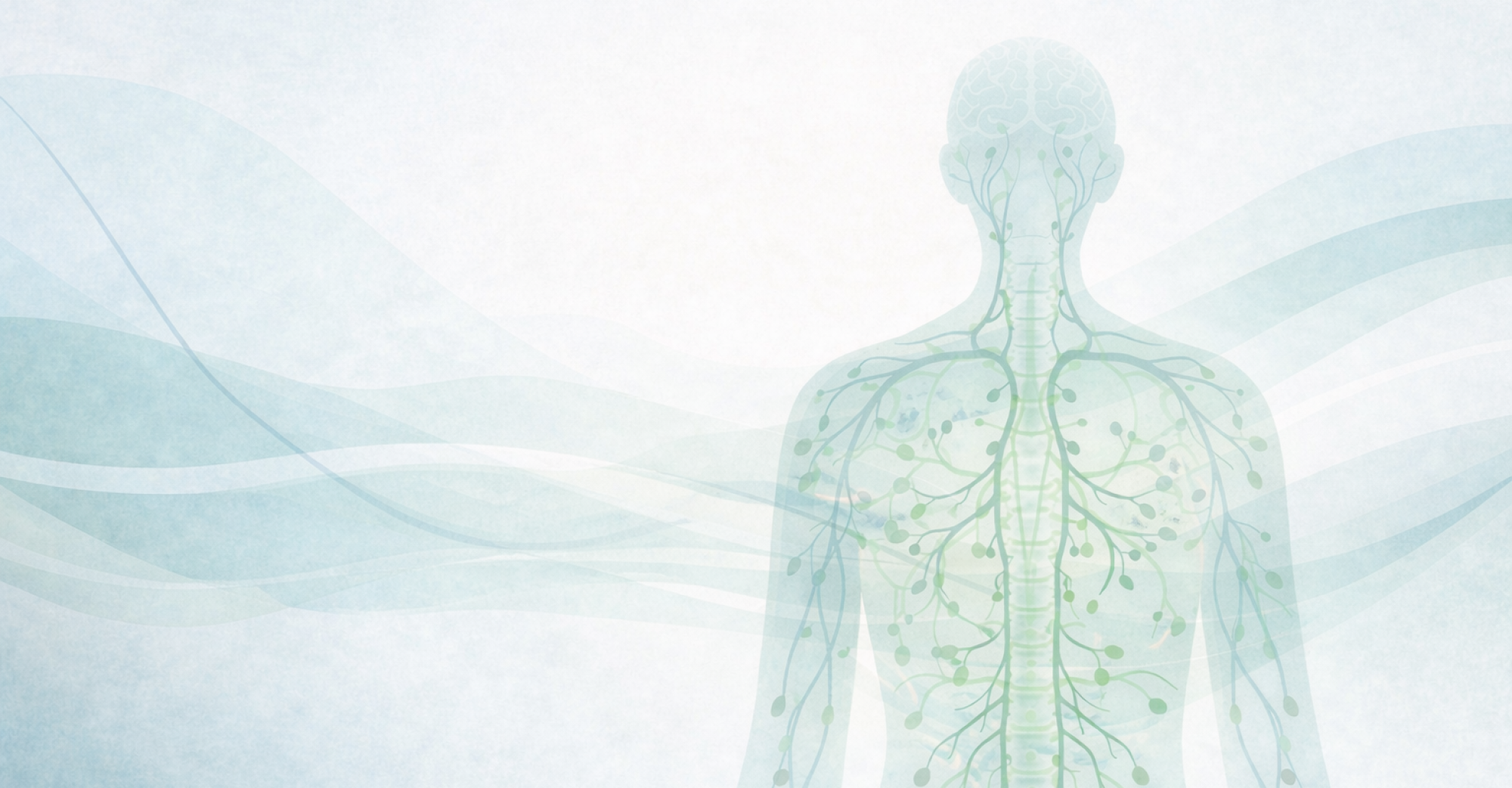
If my organs could talk, I imagine they’d form a support group. Picture them in a cozy room, sipping tea, swapping complaints, and strategizing their way through the chaos that Long COVID has unleashed. Once a symphony of cooperation, now they’re a scrappy band of survivors.
Here’s what their meeting might sound like—with some added input from the immune system and a deeper dive into the vagus nerve’s plight.
The Endothelium: The Overworked Traffic Cop
“I’m the endothelium, the inner layer of your blood vessels,” it begins with a weary sigh. “I keep blood flowing smoothly, manage inflammation, and prevent clots—or at least, I used to. Long COVID turned me into a traffic cop during rush hour, trying to clear microclots and prevent pile-ups.”
It explains how inflammation and vascular dysfunction have made every task harder. “I’m doing my best, but I need antioxidants, nitric oxide support, and maybe a nap. Okay, definitely a nap.”
Support Ideas: Anti-inflammatory foods, hydration, light exercise to promote circulation, and supplements like L-arginine and NAC.
The Vagus Nerve: The Overloaded Operator
“Hello, I’m the vagus nerve,” a jittery voice interrupts. “I’m the longest cranial nerve, connecting your brain to your heart, gut, lungs, and more. I used to keep everything running smoothly—parasympathetic, they called me. Now? I’m just overwhelmed.”
It describes its constant state of overreaction: heart palpitations, digestive chaos, and an endless fight-or-flight mode. “And don’t even get me started on how I’m tied up in immune regulation! The mast cells are throwing histamine tantrums, the viruses won’t stay dormant, and autoimmunity? A total wildcard.”
Support Ideas: Vagal nerve stimulation (like cold exposure, humming, or breathwork), managing inflammation, and supplements like magnesium to calm the storm.
The Immune System: The Frenzied Gatekeeper
“Can I speak now?” the immune system asks, looking frazzled. “I’m just trying to protect you, but I’m under attack from all sides!”
It vents about mast cell activation syndrome (MCAS), viral reactivations, and autoimmune confusion. “The mast cells keep dumping histamine like it’s a party. Dormant viruses like Epstein-Barr and herpes are making surprise comebacks. And autoimmunity? It’s like I’m accidentally targeting my own team!”
The immune system would urge patience and support. “I’m not the enemy. I’m trying to adapt, but I need your help—quercetin, antihistamines, low-histamine foods, and maybe some antiviral strategies.”
Support Ideas: MCAS management with antihistamines, antiviral medications (under medical guidance), and an anti-inflammatory diet.
The Gut: The Disrupted Ecosystem
The gut lets out a dramatic groan. “I’m the microbiome hub! I digest your food, support immunity, and produce serotonin. Now? I’m bloated, sensitive, and on strike!”
It complains about how MCAS and vagus nerve dysfunction have disrupted its delicate bacterial balance. “How can I make serotonin when everything’s inflamed? It’s a mess down here!”
Support Ideas: Probiotics, prebiotics, a low-histamine diet, and gut-healing foods like bone broth or cooked veggies.
The Mitochondria: The Burned-Out Workhorses
“We’re the mitochondria,” a dim chorus pipes up. “We power every cell by producing energy. Now? We’re slogging through oxidative stress, barely keeping up.”
The mitochondria talk about how Long COVID has sabotaged energy production. “Imagine running a factory with half the staff and no coffee. That’s us. Help us help you!”
Support Ideas: CoQ10, magnesium, pacing, and avoiding overexertion to protect their limited energy reserves.
The Nerves: The Frayed Wires
The nerves buzz in with static. “We’re fried. Pain signals won’t stop, brain fog is relentless, and every little stimulus feels like an electrical shock.”
They explain how chronic inflammation and dysregulated signaling are wreaking havoc. “We need rest, nerve-calming supplements, and maybe a meditation retreat.”
Support Ideas: Magnesium glycinate, alpha-lipoic acid, mindfulness, and reducing sensory overload.
The Brain: The Forgetful Thinker
A foggy voice chimes in, late as always. “Oh, sorry—what were we talking about again? I’m the brain, and honestly, I’m just trying to function.”
It shares its struggles with memory, concentration, and executive function. “I used to juggle tasks effortlessly. Now, I’m lucky if I can remember what day it is.”
Support Ideas: Omega-3s, consistent sleep, brain games, and limiting multitasking.
The Lungs: The Strained Breathers
The lungs wheeze their way into the conversation. “Breathing used to be a breeze. Now? It’s a full-time job.”
They explain how inflammation and possible scarring have made every breath feel labored. “Can someone pass the spirometer?”
Support Ideas: Diaphragmatic breathing, anti-inflammatory foods, and lung physiotherapy.
The Heart: The Overachiever
The heart jumps in, pounding loudly. “I’m racing all the time! It’s exhausting. Tachycardia here, blood pressure swings there—it’s chaos!”
It explains how Long COVID has turned simple activities into heart-pounding challenges. “I need compression socks, electrolytes, and maybe a vacation. Join me?”
Support Ideas: POTS management (hydration, salt, compression garments), ivabradine, and working with a cardiologist.
The Organs Speak as One
As the meeting wraps up, the organs exchange knowing looks. “We’re all trying our best,” the endothelium says, breaking the silence.
“We need patience, support, and a little less histamine,” the immune system adds, glaring at the gut.
The mitochondria, flickering faintly, offer the final word: “We’re resilient. Billions of years of evolution have prepared us for tough times. Just don’t give up on us.”
Conclusion: Listening to Your Body
If my organs could talk, their message would be clear: Long COVID is a whole-body experience. It’s not one system or one symptom but a complex web of disruptions.
Takeaways:
- Support the endothelium with antioxidants and circulation-boosting habits.
- Calm the vagus nerve with relaxation techniques and anti-inflammatory strategies.
- Help the immune system adapt with antihistamines, antiviral support, and gentle care.
- Heal the gut with probiotics, low-histamine foods, and soothing nutrition.
- Recharge the mitochondria with pacing and supplements.
- Soothe the nerves and brain with magnesium, mindfulness, and rest.
- Care for the lungs with breathing exercises and inflammation management.
- Support the heart with hydration, compression, and targeted treatment.
Healing takes time. Your organs are working hard—meet them halfway with care, patience, and humor. After all, even in the chaos, your body is fighting for you.
Disclaimer
The content of this article is for informational purposes only and is not intended to replace professional medical advice, diagnosis, or treatment. Always seek the advice of your doctor or other qualified healthcare provider with any questions you may have regarding a medical condition.
 Long Covid Journey