When your once-cheerful child starts screaming over spilled milk or refuses to leave their room because they’re convinced it’s “unsafe,” it’s not just a tantrum. And no it’s not “just psychological.”
These could be signs of PANS or PANDAS serious neuroimmune conditions that need urgent attention, understanding, and evidence based support.
What Are PANS and PANDAS?
PANS (Paediatric Acute onset Neuropsychiatric Syndrome) and PANDAS (Paediatric Autoimmune Neuropsychiatric Disorder Associated with Streptococcus) are conditions in which the immune system, instead of protecting the body, misfires and attacks the brain.
This can be triggered by infections like strep throat (in PANDAS), viruses, or even environmental factors. The result? Sudden, dramatic changes in behaviour, movement, and emotional regulation.
It’s as though your child’s brain flips a switch overnight. One day they’re laughing and playing, the next they’re anxious, obsessive, or even aggressive struggling with tics, extreme separation anxiety, or irrational fears.
This isn’t bad parenting. It’s a medical condition.
Why It’s Not “Just Psychological”
Because the symptoms mimic conditions like OCD, ADHD, anxiety, or even psychosis, many families are initially told their child needs only psychological support.
But emerging research proves otherwise.
A 2023 review in the European Journal of Paediatrics confirms that PANS and PANDAS are autoimmune or inflammatory disorders, not purely psychiatric.
Ignoring the immune connection is like using a plaster for a broken leg you might soothe some distress, but the underlying cause goes untreated.
The Science: Brain-Immune Connection
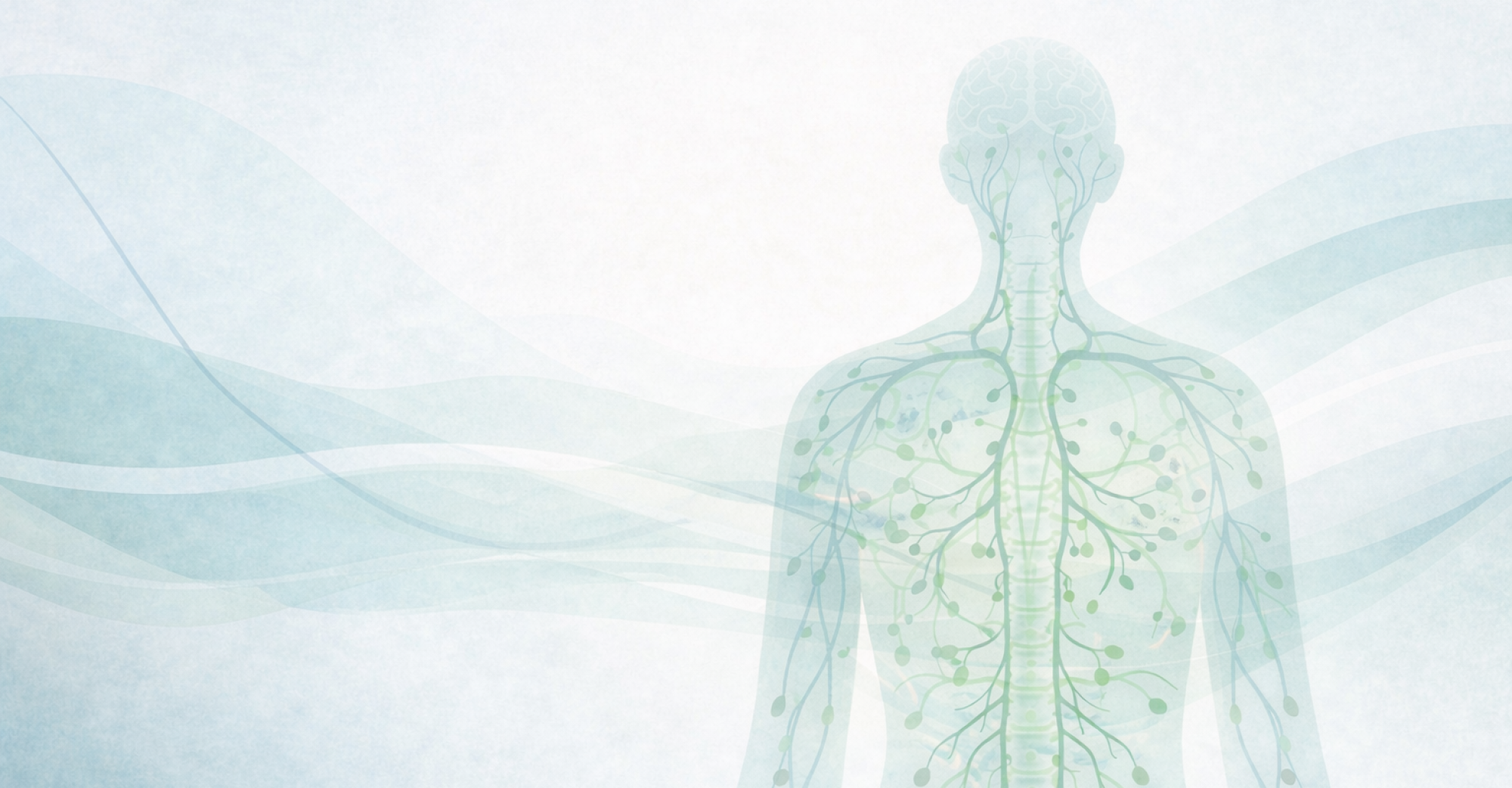
Research published in The Lancet Neurology (2024) shows that specific autoantibodies can cross the blood-brain barrier, targeting the basal ganglia a region involved in behaviour, emotion, and motor control.
Neuroinflammation caused by this immune attack has been confirmed through advanced brain imaging techniques. Scientists can now literally see how inflammation alters the brain’s function.
This is not a theory. It’s biological evidence.
Long COVID, PANS, and PANDAS: The Overlap
Parents of children with Long COVID should be aware:
Immune dysregulation following viral infections may trigger or worsen PANS/PANDAS-like symptoms.
A 2024 study in the Journal of Paediatric Immunology reports cases where post-viral immune responses particularly after COVID-19 led to sudden-onset OCD behaviours, tics, and anxiety in children.
More trials are now underway to investigate the post-viral autoimmune link, and whether persistent viral fragments may provoke ongoing neuroinflammation in vulnerable children.
If your child had COVID 19 and is now struggling with sudden behavioural or neurological changes, speak to a specialist familiar with both conditions.
What to Do If You Suspect PANS or PANDAS
Time matters. If your child’s symptoms came on abruptly and there’s a history of recent infection (even mild), act quickly:
- Seek a paediatrician who understands PANS/PANDAS.
- Document everything: symptoms, triggers, past infections, responses to treatment.
- Ask for relevant tests (see below).
- Don’t be afraid to push for referrals to immunology or neurology teams.
Possible Tests to Request
- ASO and Anti-DNase B (for strep exposure)
- Inflammatory markers (CRP, ESR)
- Lyme disease panels and co-infection screening
- MRI or SPECT imaging (in complex cases)
- Autoantibody panels (if available)
Support and Resources
You don’t have to navigate this alone.
Charities
- PANS PANDAS UK: Offers education, support groups, and resources for families.
- Long COVID Kids: Provides guidance for families dealing with paediatric Long COVID, including immune and neurological complications.
Both organisations also campaign for improved NHS recognition, diagnosis pathways, and research funding.
Clinical Trials and Ongoing Research
There are active efforts to better understand and treat PANS and PANDAS:
- UK and European researchers are recruiting for studies examining post infectious neuropsychiatric syndromes in children.
- The Royal College of Paediatrics and Child Health (RCPCH) is expected to publish new guidance in 2025, following pilot trials of immune-modulating therapies, such as IVIG and corticosteroids.
Families interested in participating in research should contact major children’s hospitals or consult the UK Clinical Trials Gateway for updates.
Why Empathy Matters
These conditions don’t just affect the child they affect the whole family.
Parents often find themselves misjudged, exhausted, and dismissed. But you are not imagining it, and you are not alone.
PANS and PANDAS remind us that mental health and physical health are deeply interconnected. Your child’s distress is real, and so is your effort to help them.
Final Thoughts
Raising a child with PANS or PANDAS isn’t about getting everything right. It’s about not giving up on your child, on yourself, or on the hope that things can improve.
With early diagnosis, multi disciplinary care, and the right support network, many children recover or learn to manage symptoms.
If you’re reading this and thinking “this sounds like my child,” trust your instincts. Keep asking questions. You are your child’s best advocate and that matters more than anything else.
Disclaimer
This article is for informational purposes only and is not a substitute for professional medical advice, diagnosis, or treatment. Always seek the advice of qualified healthcare providers with any questions you may have regarding a medical condition.
 Long Covid Journey