There’s a phrase that still lingers from the early days of the pandemic a sentence whispered to reassure, to steady nerves, to move on:
“It’s just a virus.”
For a while, many believed it.
The logic was comforting: most people recover, vaccines help, and life finds a way back to normal. But for a growing number millions worldwide, and over two million in the UK alone COVID-19 has proved anything but “just” a virus. It’s something far more insidious: a virus capable of quietly, sometimes permanently, affecting multiple organs long after the initial infection fades.
This is the story few headlines dwell on anymore. But for those living with Long COVID and its aftermath, it’s the reality that doesn’t go away when the fever breaks.
When the Virus Doesn’t Leave Quietly
Long COVID is often painted as vague a constellation of symptoms, hard to pin down. But behind the fatigue, brain fog, and breathlessness are patterns that can point to something concrete: organ damage.
Not imagined. Not exaggerated.
Real physiological effects, increasingly documented in peer-reviewed research.
The heart, for instance, is particularly vulnerable. Some people develop myocarditis, an inflammation of the heart muscle that can leave them with lingering chest pain or strange rhythms that once never crossed their minds, like pounding heartbeats while resting or light-headedness on standing, conditions linked to POTS (postural orthostatic tachycardia syndrome). And even those who didn’t end up in hospital are now being flagged with signs of subtle but serious COVID-related heart damage.
Then there’s the lungs. For many, breathlessness isn’t just from deconditioning or anxiety, it’s from lung scarring, or reduced oxygen diffusion, effects more commonly expected after pneumonia, not after what was supposed to be “just a mild case.” A short walk can feel like a mountain. Stairs, once forgettable, now feel like Everest.
The brain, too, is not spared. The phrase “brain fog” has entered our everyday vocabulary, but few realise what may lie beneath. Studies have linked this fog to changes in brain structure, to reduced grey matter, and to impaired blood flow caused by microclots and inflammation. It’s not just forgetfulness. It’s a fundamental shift in how the brain functions, a biological disruption, not a psychological quirk.
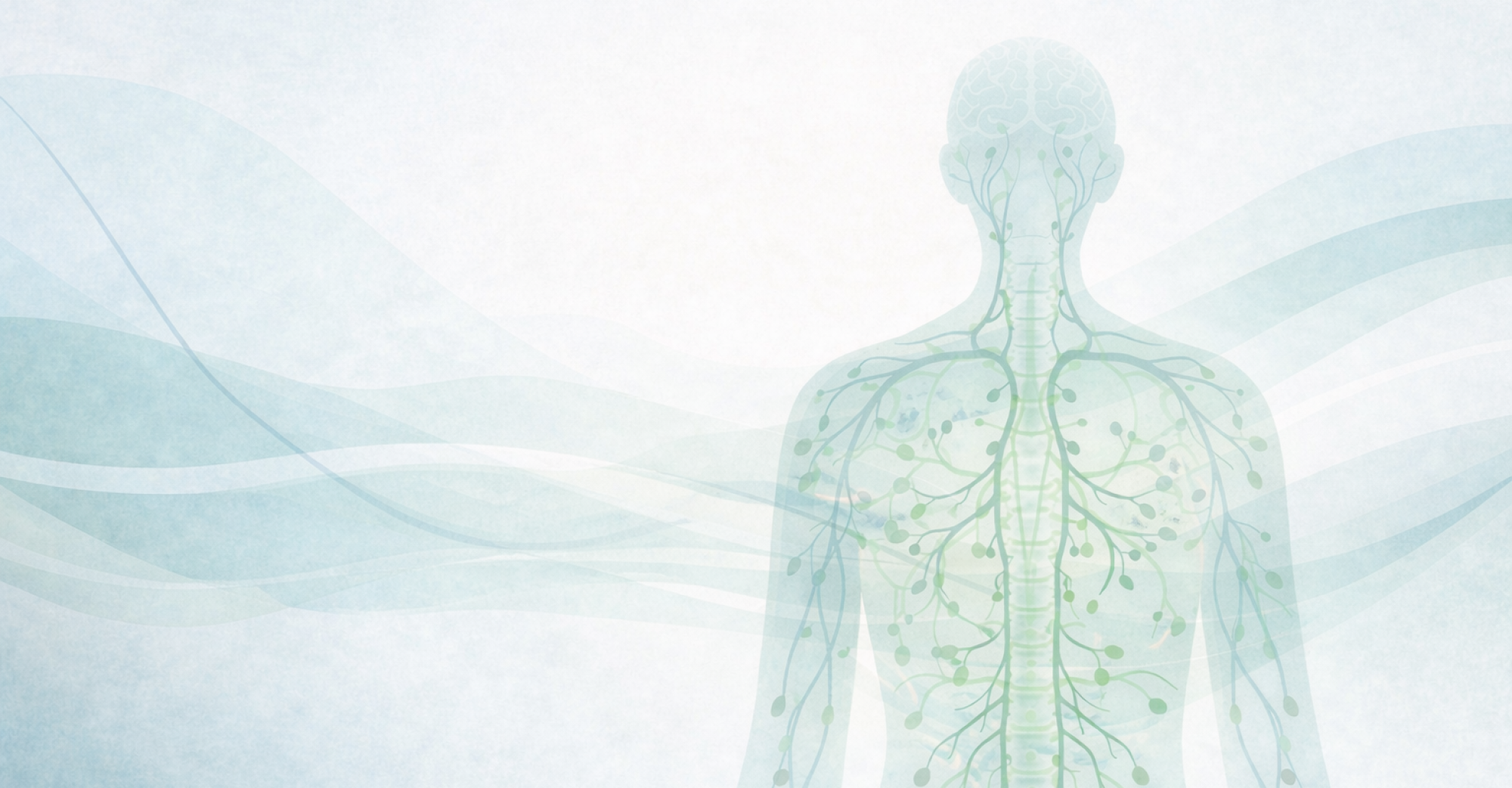
And it doesn’t end there. Kidneys, nerves, even the gut and reproductive system research continues to uncover the virus’s reach. These aren’t just isolated anecdotes. Peer-reviewed studies in The Lancet, BMJ, Nature Medicine, and the UK’s own Biobank cohort confirm what patients have long reported: COVID isn’t just a respiratory virus. It’s a multi-organ condition.
Why So Many Systems? Why So Long?
It’s a fair question: how can one virus cause so much damage, in so many places?
Part of the answer lies in ACE2 receptors, the gateways the virus uses to enter cells and they’re not just in the lungs. They’re scattered throughout the body: heart, kidneys, intestines, even the brain.
Another part is the body’s response: a hyperactive immune system, doing its best but sometimes going too far. Inflammation that was meant to protect ends up causing collateral damage. Microclots block oxygen and nutrients. And in some cases, fragments of the virus may linger, keeping the immune system in a chronic state of alert.
That’s why Long COVID can seem so inconsistent. It isn’t one disease , it’s a network of dysfunctions sparked by the same trigger. And each person’s journey through it is uniquely shaped by which organs bear the brunt.
Still Unseen, Still Underserved
Despite mounting evidence, organ screening isn’t routine for people with Long COVID. Many are told their symptoms are anxiety, ageing, or simply “post-viral fatigue.” Some never get beyond the GP’s office. Others are passed from specialist to specialist, without anyone joining the dots.
Yet if a person struggles to climb stairs six months after COVID, or finds they can’t concentrate on work, or wakes with crushing chest tightness that wasn’t there before that should raise questions. Not eyebrows.
We cannot afford to dismiss these signs as psychological fallout or malingering. Because the science says otherwise. The data says otherwise. And most importantly, people’s lived experiences say otherwise.
Rewriting the Narrative
It’s time to shift how we talk about Long COVID.
Not as a footnote to the pandemic, but as an enduring public health issue. Not as a mystery, but as a condition we can begin to understand and treat with the seriousness it deserves.
It also means rethinking the idea that COVID is “just another cold.” It isn’t. And we shouldn’t normalise repeat infections, especially in children, whose immune systems are still developing. We should be making indoor air safer to breathe. Supporting those who wear masks. Advocating for screening and rehabilitation. These aren’t overreactions. They’re measured, evidence-based responses to a virus that continues to show it plays a long game.
A Final Thought
You might not see the damage.
You might not hear it in casual conversation.
But it’s there in MRI scans, in missed workdays, in GP notes, and behind too many closed bedroom doors where people lie in the dark, waiting to feel like themselves again.
This isn’t about fear. It’s about recognition.
Because acknowledging organ damage in Long COVID isn’t alarmist. It’s responsible. It’s human. And it’s long overdue.
Disclaimer:
This article reflects personal opinion and lived experience. It is intended for informational and awareness-raising purposes only and should not be considered medical advice. For health-related concerns, always consult a qualified healthcare professional.
 Long Covid Journey