
As the crisp winter air sets in, many people recovering from COVID-19 notice something unexpected: their body no longer regulates temperature the way it used to.
You may feel freezing in a warm room, overheated in mild weather, or swing between the two without warning. Layers come on and off all day. Sleep is disrupted. Showers feel unpredictable.
This is not unusual.
Temperature instability, often called thermal dysregulation, is increasingly recognised in Long Covid and post-viral syndromes.
Understanding Thermal Dysregulation After COVID-19
Thermal dysregulation refers to the body’s impaired ability to maintain a stable internal temperature.
People with Long Covid commonly report:
- Feeling unusually cold or hot without environmental reason
- Sudden chills or low-grade fevers
- Sweating episodes or heat intolerance
- Cold hands and feet with a warm core, or the opposite
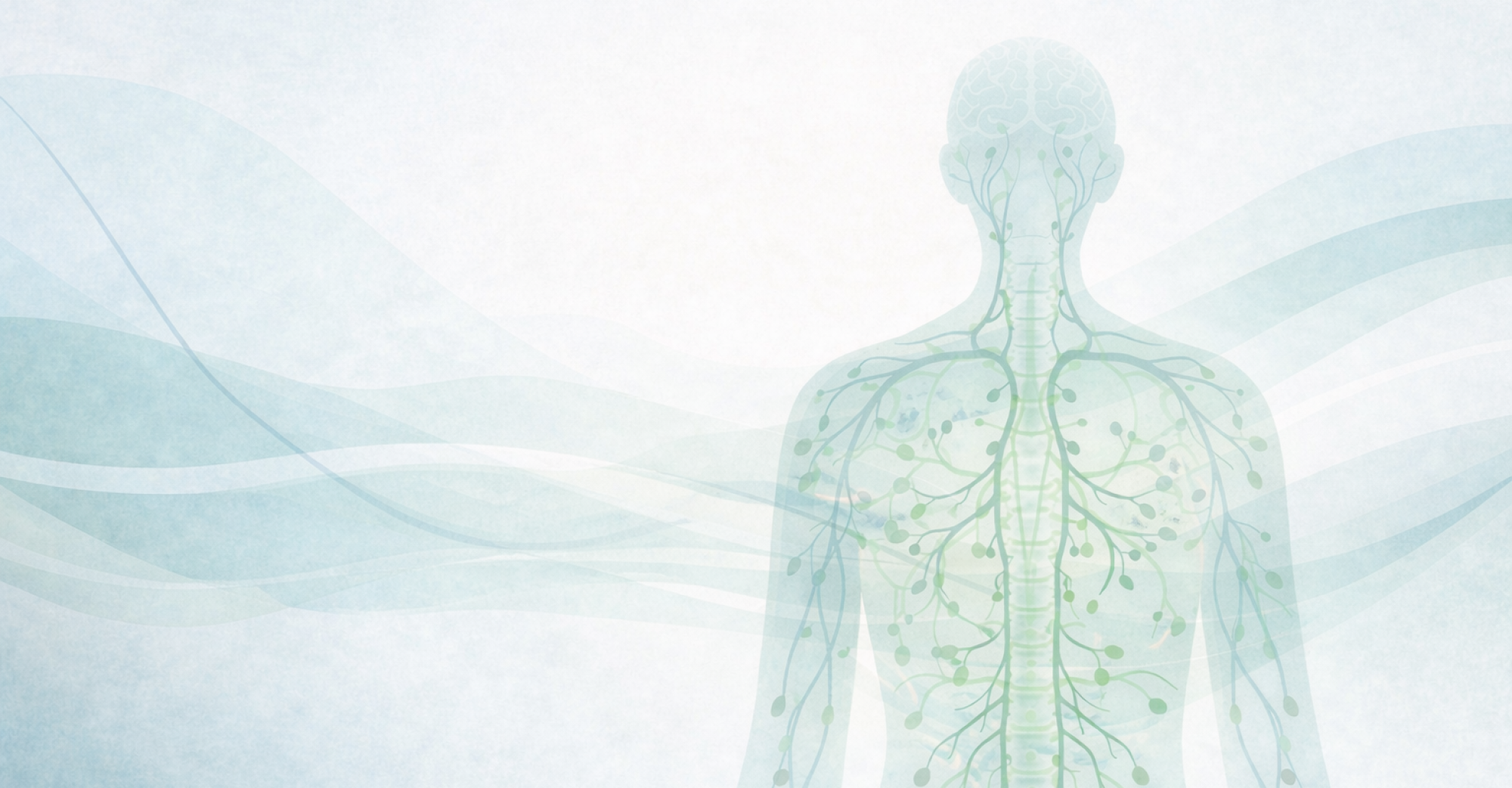
These symptoms are often linked to dysfunction in the autonomic nervous system (ANS), sometimes referred to as dysautonomia.
The ANS regulates:
- body temperature
- heart rate
- blood pressure
- circulation
When this system becomes unstable, temperature control can feel erratic and unpredictable.
For many people, this is not constant. It fluctuates throughout the day and is often worse after exertion, stress, or poor sleep.
Why Temperature Feels So Unstable
Temperature regulation depends on coordination between circulation, metabolism, and the nervous system.
After COVID-19, several mechanisms may contribute:
- Autonomic dysfunction affecting blood flow and heat distribution
- Microcirculatory changes limiting how heat is delivered to tissues
- Inflammatory or immune signalling affecting temperature perception
- Hormonal and metabolic disruption
This is why symptoms can feel confusing. The issue is not always the environment, it is how the body responds to it.
The Role of Barometric Pressure in Post-COVID Symptoms
Many people with Long Covid also notice that symptoms worsen with weather changes, particularly shifts in barometric pressure.
Common experiences include:
- Increased fatigue before storms
- Headaches or pressure sensations
- Worsening dizziness or joint pain
- Greater sensitivity to temperature changes
Changes in air pressure can influence vascular tone and fluid distribution. For people with autonomic dysfunction or MCAS, this sensitivity can be more pronounced.
Tracking patterns over time can help you anticipate flare-ups rather than being caught off guard.
Maintaining Optimal Indoor Air Quality During Winter
When colder weather arrives, windows close and heating systems take over. This can unintentionally worsen symptoms.
Why Indoor Air Quality Matters
- Dry air can irritate airways and increase fatigue
- Poor ventilation can worsen headaches and cognitive symptoms
- Stale air can amplify temperature discomfort
Keeping humidity between 40% and 60% is generally considered optimal.
Practical Strategies to Improve Indoor Air Quality
Use a humidifier if air feels dry, especially with central heating
Ventilate briefly each day to refresh indoor air
Maintain heating systems to reduce dust and allergens
Keep temperature stable (around 18–21°C works for many people)
Stay hydrated to support circulation and temperature balance
Small changes here often make a noticeable difference.
Herbal Support for Thermal Regulation
Some people explore gentle herbal support for circulation and comfort. Evidence is limited, but commonly used options include:
- Ginger, which promotes warmth and circulation
- Cinnamon, often used for energy and warming effects
- Cayenne, which may support blood flow
These are not treatments for Long Covid but may help with comfort in some cases.
Always check with a healthcare professional before introducing supplements, especially if you have other conditions or take medication.
Lifestyle Adjustments That Actually Help
Managing temperature instability is often about small, consistent adjustments rather than one solution.
Dress in layers so you can adapt quickly
Avoid sudden temperature changes (e.g. very hot showers)
Use gentle movement to support circulation without overexertion
Prioritise pacing, as crashes often worsen temperature symptoms
Use warm drinks or cooling strategies depending on your pattern
Support sleep, as poor sleep worsens autonomic instability
For many people, stability improves when the nervous system is less stressed overall.
A Practical Way to Think About It
Instead of trying to “fix” temperature, it can help to think in terms of reducing stress on the system.
When the body is more stable:
- temperature swings often reduce
- tolerance improves
- recovery becomes more predictable
It is not about forcing the body to regulate, but supporting it so it can.
FAQs
Why do I feel cold all the time after COVID?
This may be linked to changes in circulation or autonomic dysfunction. Blood flow to the skin and extremities may be reduced, making you feel cold even when your core temperature is normal.
Why do I suddenly feel overheated or flushed?
Heat intolerance can occur when the autonomic nervous system struggles to regulate blood flow and sweating. This can cause sudden warmth, flushing, or discomfort in mild temperatures.
Is temperature dysregulation a form of dysautonomia?
In many cases, yes. Temperature instability is commonly reported in conditions involving autonomic dysfunction, including Long Covid.
Why do my symptoms worsen with weather changes?
Shifts in barometric pressure can affect circulation, fluid balance, and nervous system regulation. Many people with Long Covid notice symptom changes before or during weather shifts.
Can pacing help with temperature regulation?
Yes. Overexertion often worsens autonomic instability, including temperature swings. Pacing helps reduce these fluctuations over time.
Is this dangerous or just uncomfortable?
For most people, it is uncomfortable rather than dangerous. However, persistent fever, severe intolerance, or worsening symptoms should be assessed by a healthcare professional.
Will this improve over time?
Some people experience gradual improvement, especially when managing energy, sleep, and stress. Recovery is often slow and non-linear.
Conclusion
Temperature dysregulation after COVID is real, common, and often misunderstood.
It reflects a body that is struggling to regulate rather than one that is failing.
By understanding the mechanisms, adjusting your environment, and supporting your nervous system, it is possible to reduce discomfort and regain some stability.
Progress may be gradual, but small changes can make daily life more manageable.
Disclaimer
This article is for informational purposes only and does not constitute medical advice. It is not a substitute for professional diagnosis or treatment. Always consult a qualified healthcare professional if you have persistent or concerning symptoms.
 Long Covid Journey