Tinnitus and Vision Problems After COVID: Why Tests Are Normal but Symptoms Persist
Many people with Long Covid experience symptoms such as tinnitus, blurred vision, light sensitivity, or visual disturbances even when eye and hearing tests are normal.
These symptoms are increasingly understood not as problems of the eye or ear themselves, but as part of a broader neurological and autonomic dysfunction affecting how sensory information is processed.
When the Eyes and Ears Are Normal but the Symptoms Persist
Many people recovering from Covid notice changes that are difficult to describe and even harder to place.
A faint but persistent ringing in the ears.
Vision that blurs unpredictably.
Light that suddenly feels intrusive or overwhelming.
For some, it is visual snow or shimmering static. For others, a sense that the world feels slightly out of focus or unstable.
Most do what seems logical. They see an optician or audiologist. Tests come back normal. The structures are healthy. Hearing thresholds are intact. Eye pressure is fine.
And yet the symptoms continue.
This mismatch between lived experience and clinical findings is one of the most characteristic and least well-understood features of Long Covid.
Sensory Symptoms as a Neurological Pattern, Not an Organ Problem
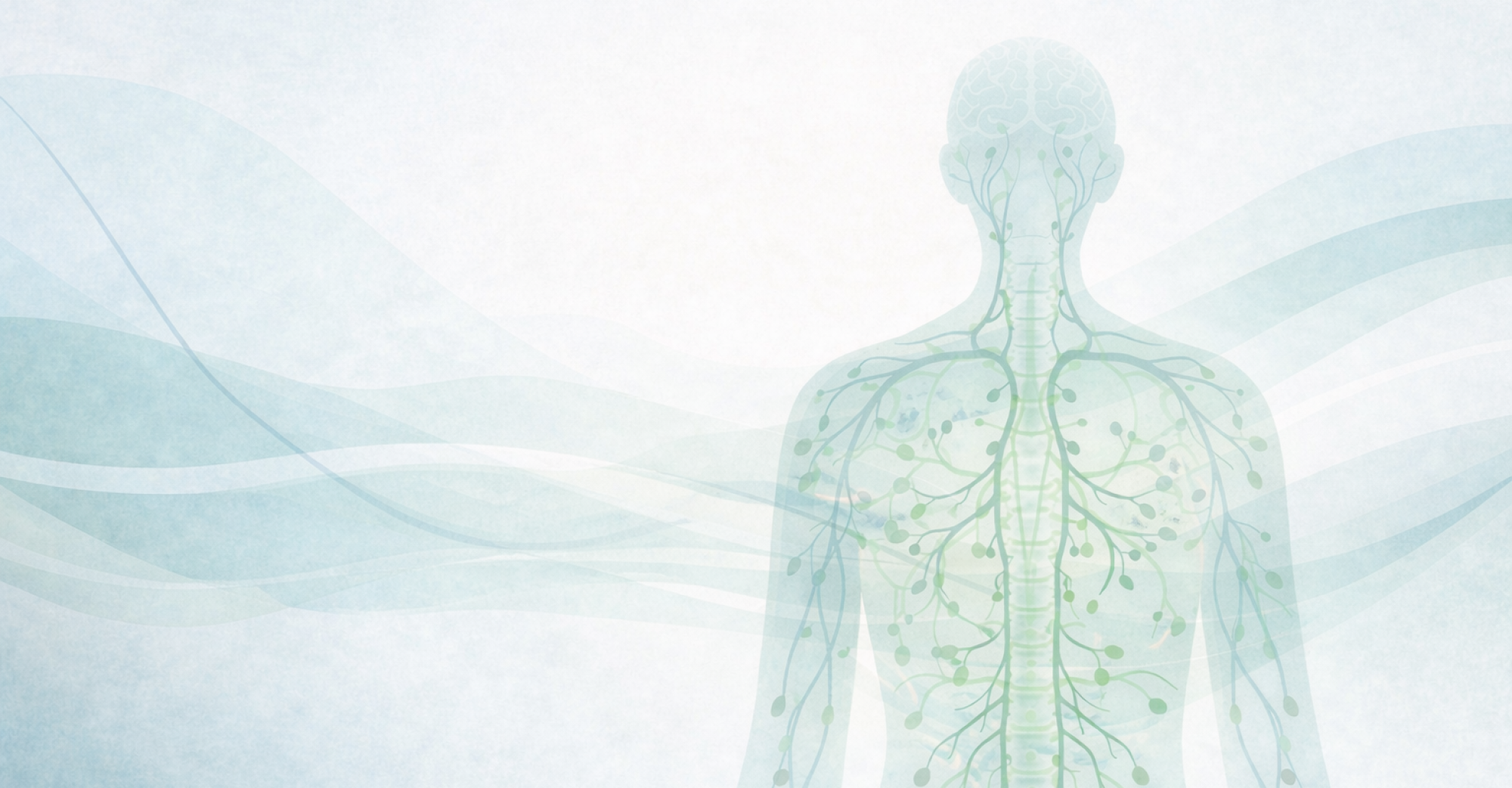
Vision and hearing are often thought of as peripheral systems, but they are deeply neurological.
What we perceive depends not only on the eye or ear, but on cerebral blood flow, autonomic regulation, sensory gating, and cortical processing.
In Long Covid, symptoms often fluctuate rather than progress in a fixed way:
- Vision may be clear in the morning and blurred by afternoon
- Tinnitus may worsen after cognitive effort or stress
- Light sensitivity may increase after screen use or exertion
This pattern strongly suggests central nervous system involvement rather than local damage.
Large post-Covid studies support this interpretation. Sensory symptoms are frequently reported alongside fatigue and cognitive dysfunction, often without structural abnormalities on routine tests.
The Role of Autonomic and Vascular Instability
One explanation lies in autonomic nervous system dysregulation.
Covid can disrupt how the body regulates heart rate, blood pressure, and blood flow to the brain. The visual cortex, vestibular system, and auditory pathways are particularly sensitive to even small changes.
This can lead to:
- Blurred vision
- Dizziness
- Tinnitus
- Sensory amplification
These symptoms may worsen with exertion, prolonged standing, or sensory overload—and improve with rest.
It also explains why patients are often referred between ophthalmology, ENT, and neurology without a clear diagnosis.
The issue is not missed disease. It is that the model being applied does not match the condition.
Why Standard Tests Often Look Normal
Most tests are designed to detect structural problems.
They work well for:
- Cataracts
- Glaucoma
- Hearing loss
- Inner ear disorders
They are far less effective for conditions that fluctuate or depend on effort.
In Long Covid:
- Symptoms may appear after activity, not during testing
- Patients may pass tests in controlled environments but struggle in real life
- Effects can be delayed or cumulative
This leads to under-recognition and sometimes misattribution to anxiety.
However, consistent patterns over time show that symptoms are linked to exertion, autonomic stress, and cumulative load.
What Current Evidence Suggests
There is currently no single treatment that reliably resolves tinnitus or visual disturbance in Long Covid.
However, a consistent principle is emerging:
Symptoms tend to worsen when unstable systems are pushed, and improve when stability is prioritised.
Management approaches focus on:
- Pacing and avoiding overexertion
- Reducing sensory overload
- Supporting autonomic stability
These approaches do not directly “fix” the sensory organs, but they can reduce symptom severity.
Why This Matters
For clinicians, recognising this pattern helps avoid unnecessary investigations and repeated referrals.
For patients, it provides validation. Normal test results do not mean symptoms are not real.
For healthcare systems, it highlights the need for models that account for fluctuating, multi-system conditions.
Final Thought
Tinnitus, blurred vision, and light sensitivity after Covid are not rare, psychosomatic, or trivial.
They are features of a complex post-viral condition that affects how the nervous system regulates sensory input.
When tests are normal but the sensory world feels altered, the issue is often not the organs themselves—but how the system is functioning.
Recognising this is essential for moving from confusion to meaningful support.
FAQs
Why do I have tinnitus after COVID if my hearing test is normal?
Because tinnitus can be related to how the brain processes sound rather than damage to the ear itself.
Can Long Covid affect vision even if eye tests are normal?
Yes. Vision changes can result from neurological or autonomic dysfunction rather than structural eye problems.
Why do symptoms fluctuate during the day?
Because they are often linked to energy levels, exertion, and nervous system regulation.
Is this caused by anxiety?
No. While symptoms can be distressing, they are increasingly recognised as part of a physiological condition.
Will these symptoms improve?
Some people experience gradual improvement, especially with pacing and reducing stress on the nervous system.
Disclaimer
This article is for informational purposes only and does not constitute medical advice. Individuals experiencing new or worsening neurological, visual, or auditory symptoms should seek assessment from a qualified healthcare professional.
 Long Covid Journey