For some people, COVID-19 is a short illness and recovery happens gradually over a few weeks.
For others, recovery does not follow the expected path.
Weeks or months after the infection has passed, new symptoms can appear or existing symptoms simply refuse to settle.
This experience is often described as Long COVID, or post-COVID syndrome.
People living with Long COVID frequently report symptoms such as:
- persistent fatigue
- brain fog and cognitive changes
- tachycardia or unusual heart-rate spikes
- breathlessness
- dizziness and dysautonomia
- post-exertional malaise (PEM)
This guide explains the most commonly reported Long COVID symptoms, the biological mechanisms researchers are currently investigating, and what people living with the condition have learned along the way.
The reflections shared here are written in a personal voice but reflect experiences gathered from several individuals navigating Long COVID.
What Long COVID Often Feels Like
One of the most difficult parts of Long COVID is its unpredictability.
Some days symptoms feel manageable. Other days even small activities can trigger a noticeable setback.
Many people describe it as living with a body that no longer follows the same rules it once did.
Activities that once felt normal climbing stairs, concentrating for long periods, socialising may suddenly require much more energy.
Because many symptoms are invisible, Long COVID can also be difficult to explain to others.
Common Long COVID Symptoms
Although every experience is different, several symptoms appear consistently across patient communities and research studies.
Persistent Fatigue
Fatigue is one of the most widely reported Long COVID symptoms.
This is not the usual tiredness that improves after sleep.
Many people describe a deep exhaustion affecting both body and mind.
Even routine activities such as walking, reading, or working on a computer can sometimes drain energy unexpectedly.
Over time many people learn to manage their energy more carefully.
Brain Fog and Cognitive Changes
Another symptom many people experience is brain fog.
This can include:
- difficulty concentrating
- slower thinking
- memory problems
- trouble processing information
Tasks that once felt automatic planning, reading complex material, multitasking may require much more effort.
Because brain fog is invisible, it can sometimes be misunderstood by people who have not experienced it.
Tachycardia and Dysautonomia
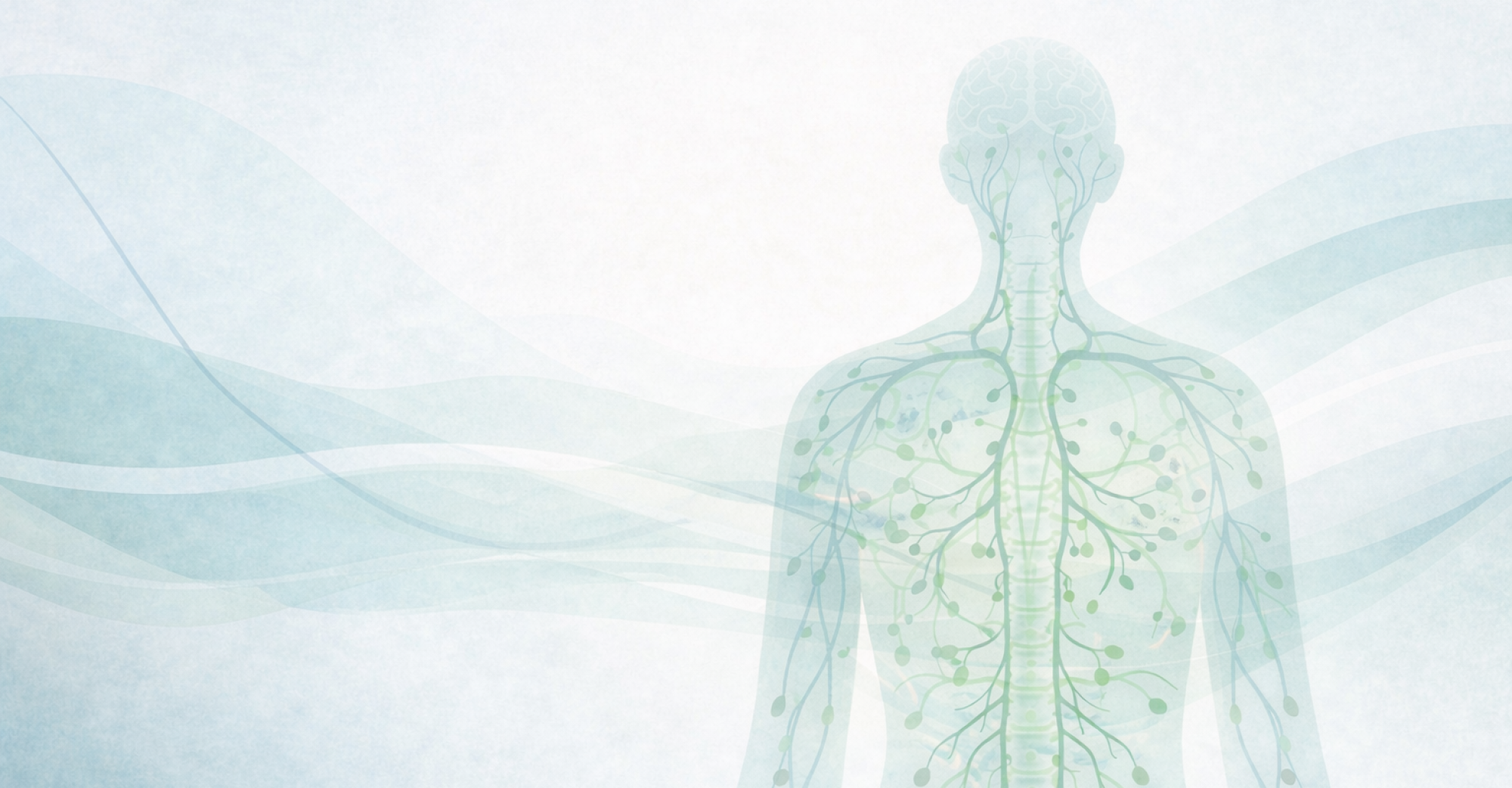
Some people with Long COVID develop symptoms affecting the autonomic nervous system, which regulates automatic functions like heart rate and blood pressure.
These symptoms can include:
- rapid heart rate
- dizziness when standing
- palpitations
- light-headedness
In some cases these symptoms resemble Postural Orthostatic Tachycardia Syndrome (POTS) or other forms of dysautonomia.
When the autonomic nervous system is disrupted, even standing or walking can become unexpectedly demanding.
Breathlessness and Chest Symptoms
Shortness of breath is another symptom commonly reported after COVID-19 infection.
Some people experience breathlessness during activity, while others feel it even while resting.
Chest discomfort or tightness can also occur and should always be discussed with a healthcare professional.
Even when tests appear normal, the sensation of breathlessness can still be very real.
Post-Exertional Malaise (PEM)
One of the most challenging aspects of Long COVID is post-exertional malaise, often shortened to PEM.
PEM occurs when physical, mental, or emotional effort leads to a delayed worsening of symptoms.
The key difficulty is that symptoms often worsen hours or even a day after the activity, making it harder to recognise the trigger.
Common PEM symptoms include:
- sudden exhaustion
- worsening brain fog
- increased pain
- flu-like symptoms
- sleep disruption
Many people eventually learn that managing activity carefully often called pacing can help reduce symptom crashes.
Possible Biological Mechanisms Behind Long COVID
Researchers are still working to understand why Long COVID develops.
Evidence suggests the condition may involve several overlapping biological mechanisms.
Immune System Dysregulation
Some studies suggest the immune system may remain activated or dysregulated after COVID-19 infection.
This ongoing immune response may contribute to symptoms such as fatigue, inflammation, and neurological changes.
Researchers are also exploring whether autoimmune responses may be involved for some patients.
Viral Persistence and Viral Reactivation
Another area of research focuses on viral persistence and viral reactivation.
Fragments of the SARS-CoV-2 virus may remain in certain tissues longer than expected.
Researchers are also investigating whether dormant viruses already present in the body such as Epstein-Barr virus (EBV) may reactivate after COVID infection.
These mechanisms may help explain why symptoms can continue long after the original illness.
Heightened Immune and Histamine Responses
Another pattern that some people with Long COVID notice involves increased sensitivity of the immune system, particularly reactions that resemble allergic or histamine-related responses.
For some individuals, the body appears to react more strongly to things that were previously well tolerated. These reactions can affect multiple systems in the body and may fluctuate from day to day.
People sometimes report symptoms such as:
- skin flushing or itching
- unusual sensitivity to certain foods
- sinus congestion or pressure
- digestive discomfort
- headaches
- sudden fatigue or light-headedness after meals
- episodes where the body seems to react strongly to environmental triggers
Researchers are exploring whether some of these symptoms may be linked to immune cells involved in inflammatory and allergic responses, which can release chemical signals such as histamine and other inflammatory mediators.
These immune reactions may interact with other systems already affected by Long COVID, including the nervous system, vascular system, and immune regulation pathways.
Because these reactions can vary widely between individuals, they are still being actively studied.
Some people find that paying attention to triggers, diet, stress levels, and environmental factors can sometimes help them better understand patterns in their symptoms.
As with many aspects of Long COVID, the underlying mechanisms are complex and still being researched.
Vascular and Endothelial Dysfunction
COVID-19 can affect the vascular system, including the endothelium, the thin layer of cells lining blood vessels.
Changes in endothelial function may influence circulation and oxygen delivery throughout the body.
Some researchers believe these vascular effects may contribute to symptoms such as:
- fatigue
- dizziness
- cognitive difficulties
- exercise intolerance
Understanding these changes remains an active area of Long COVID research.
What Doctors Currently Know
Healthcare systems including the NHS now recognise Long COVID as a complex condition affecting multiple systems in the body.
However, research is still evolving.
Different people may experience different combinations of:
- immune system changes
- autonomic nervous system dysfunction
- vascular abnormalities
- viral persistence or reactivation
This complexity is one reason why symptoms vary so widely between individuals.
Strategies That Help Some People Manage Symptoms
There is currently no single treatment for Long COVID.
However, many people find certain strategies helpful when managing symptoms.
These include:
- pacing physical and mental activity
- prioritising essential tasks
- reducing sensory overload
- allowing more time for rest and recovery
Many people find it helpful to watch for early warning signs of fatigue or PEM, adjusting activity before symptoms worsen.
When to Seek Medical Advice
Anyone experiencing ongoing symptoms after COVID-19 should consider discussing them with a healthcare professional.
Medical advice is especially important if symptoms include:
- severe chest pain
- persistent breathlessness
- fainting or severe dizziness
- sudden neurological symptoms
A healthcare provider can help rule out other conditions and guide appropriate care.
Why This Website Exists
This website grew from conversations between people living with Long COVID who were trying to understand what was happening to their bodies.
While research continues to evolve, many practical insights about living with Long COVID have emerged from shared patient experience.
The aim of this space is to:
- increase awareness of Long COVID
- share practical insights from lived experience
- help people feel less alone navigating the condition
Many contributors prefer to remain anonymous, but the experiences shared here reflect journeys that thousands of people recognise.
Frequently Asked Questions About Long COVID
What are the most common Long COVID symptoms?
Fatigue, brain fog, breathlessness, heart-rate changes, dizziness, and post-exertional malaise are among the most frequently reported symptoms.
Why do Long COVID symptoms worsen after activity?
Many people experience post-exertional malaise, where physical or mental effort leads to delayed symptom worsening.
Can Long COVID affect the nervous system?
Yes. Long COVID can affect the autonomic nervous system, which may cause tachycardia, dizziness, and dysautonomia.
Disclaimer
The information on this website reflects shared experiences and observations from people living with Long COVID.
It is not intended as medical advice. Always consult a qualified healthcare professional for diagnosis and treatment.
 Long Covid Journey