Understanding Dysautonomia and POTS: Symptoms, Diagnosis, and Management Tips

If you’re here, chances are you (or someone you know) has been blessed with the gift that keeps on giving: post-COVID dysautonomia. Specifically, let’s talk about POTS (Postural Orthostatic Tachycardia Syndrome), a form of dysautonomia that can turn something as simple as standing up into a high-stakes adventure.

So, what is POTS, how does it connect to long COVID, and why does it feel like a cruel joke from your nervous system? Let’s dive into the latest research, the daily struggles, and the moments that are so absurd you just have to laugh (so you don’t cry).


POTS: The Basics

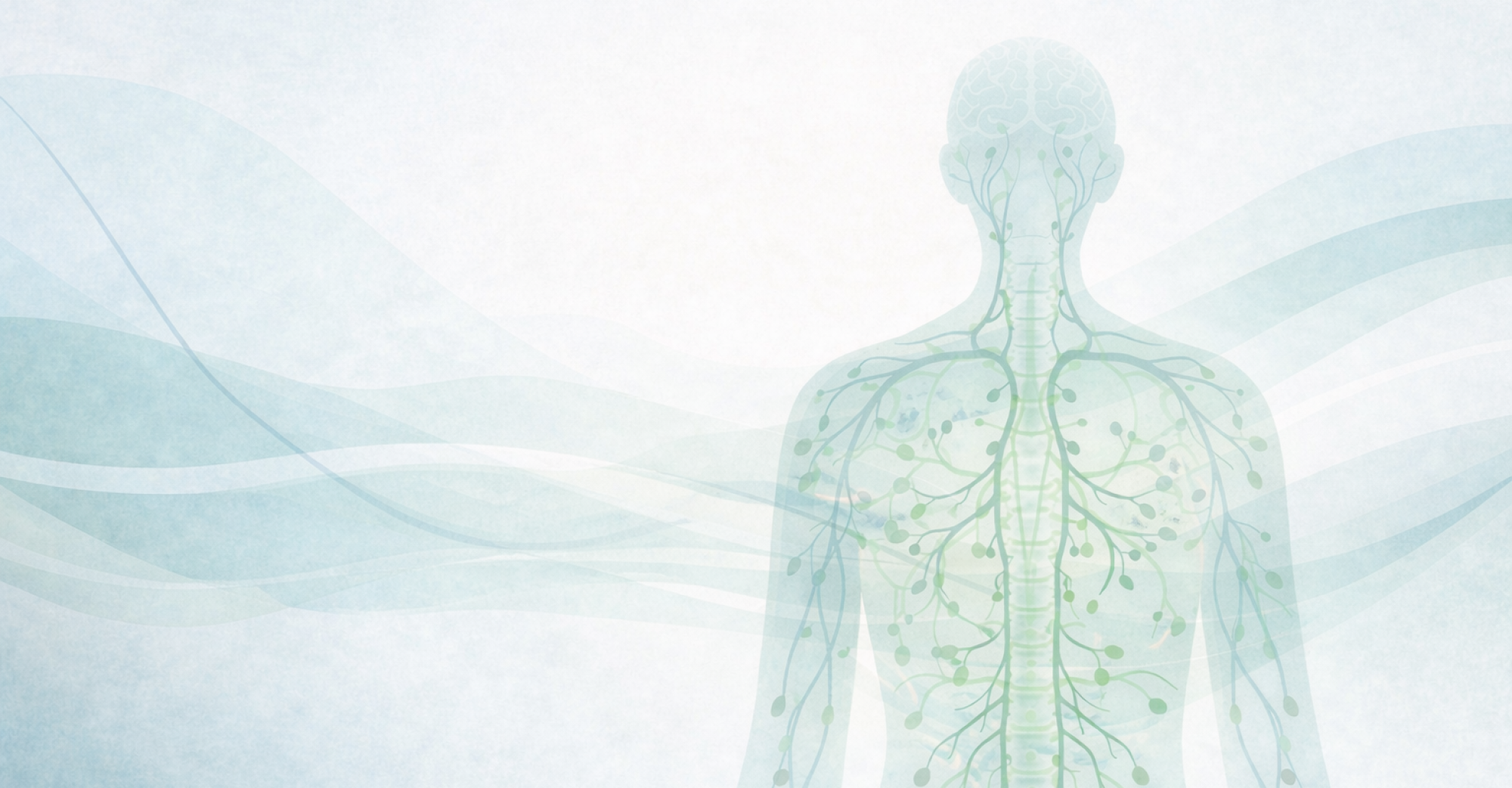
POTS stands for Postural Orthostatic Tachycardia Syndrome, which means that your body’s nervous system—the part that controls things like heart rate and blood pressure—starts acting up. For people with POTS, standing up can cause the heart rate to jump like crazy. Imagine feeling like you’ve just run up a flight of stairs… just from getting off the couch!

Since COVID, there has been a big increase in people getting diagnosed with POTS and other forms of dysautonomia (autonomic dysfunction). The virus seems to mess with the immune and nervous systems, which can lead to symptoms like dizziness, fainting, nausea, and fatigue.


Why COVID Can Cause POTS: A Few Theories

Scientists aren’t 100% sure why COVID leads to autonomic dysfunctions (including POTS), but they have some ideas:

  • Inflammation: COVID causes inflammation (swelling and irritation) in many parts of the body. This can affect how blood flows and how nerves work, making it harder for your body to manage things like heart rate and blood pressure.
  • Nerve Damage: Some researchers think that COVID may damage nerves or blood vessels, which can lead to POTS.
  • Autoimmune Response: COVID could trigger an autoimmune reaction, where the immune system attacks the body’s own nerves, leading to POTS symptoms.

So far, treatments for POTS include drinking lots of water, eating more salt, wearing compression socks, and some medications. Unfortunately, there’s no one-size-fits-all cure yet, and research is ongoing.


What Life with POTS Is Really Like

Living with POTS can feel like you’re on a strange ride that never stops. It’s not just feeling dizzy now and then—it affects every part of life in odd, surprising, and sometimes funny ways. Here are some common experiences of life with POTS:


1. Defying Gravity: LIfe in the upright struggle

With POTS, standing up can feel like wrestling with gravity itself. Imagine this: You’re talking to a friend, feeling fine, and suddenly—bam!—your heart starts racing. You have two choices: sit down quickly or prepare to collapse. Spoiler alert: “graceful” collapses are rare. You might find yourself crouching in the grocery line, leaning against walls—not because you’re lazy, but because the floor suddenly seems like it’s calling your name.


2. The Colorful Legs Phenomenon

One of POTS’s odd tricks is something called blood pooling. This can make your legs turn red or even purple-blue when you stand or sit for too long. Your legs might feel cold or swollen, almost like they belong to someone else! This colorful leg situation can be an interesting conversation starter, but explaining it? Not so fun. It looks like an Halloween prank.


3. The “I’m Just Going to Sit Down” Lifestyle

With POTS, you end up sitting more than you’d like. Weddings, shopping, cooking—they all become activities with planned breaks. For example, dancing at a party might mean sitting down every few minutes to avoid becoming the party’s entertainment (in a not-so-fun way). And grocery shopping? You’ll need backup plans in case you have to sit down in aisle five.


4. Heat Intolerance: The Summer Nightmare

Heat and POTS do not mix very well. Imagine stepping outside on a nice, sunny day, and within minutes, your heart’s pounding like you’re running a marathon, your vision’s going fuzzy, and every bit of shade looks like an oasis. You’re not just “warm”—you’re practically melting, and you need cold air now.

Suddenly, air conditioning is no longer a “nice-to-have”—it’s life support. Pools? Great, but only if the water’s ice-cold. Summer stroll? Only if it’s straight to the frozen food aisle. Your best friends become the local supermarket’s freezer section and those oversized, icy bags of peas. In the garden, you’re the only grown up near the paddling pool, happy to be splashed and not because you are the designated lifeguard.


5. Exercise: A Workout for the Heart (and Not in a Good Way)

For most people, exercise is a free-for-all: they can jump into a workout and feel pumped afterward. But for people with POTS, exercise is more like negotiating a tricky deal. Sure, a bit of movement can help, but only if done just right. Even folding laundry can feel like cardio, and a few enthusiastic squats might as well be a mountain climb!

And for anyone with POTS and ME/CFS or PEM (Post-Exertional Malaise), the stakes are even trickier. Exercise means tiptoeing around a personal “energy envelope” that changes faster than the weather. Overdo it—say, a slightly ambitious walk to the mailbox—and the energy reserves crash, like paying off a loan in exhaustion and brain fog.

Picture this: A “light workout” might look like ten minutes of stretching and calling it a day. Today’s adventure could be, “Do I fold one basket of laundry, or do I dare attempt two?” Planning exercise turns into a strategic operation: sometimes, a short walk feels fine; other days, unloading the dishwasher is as close to cardio as you want to get. And if you’re feeling extra bold, maybe—just maybe—you’ll try both on the same day (but don’t push it!).

In short, for some people with POTS, “exercise” is a choose-your-own-adventure, and sometimes, the most heroic move is knowing when to rest and how to exercise.


6. Digestive Drama

POTS doesn’t stop at making standing up an Olympic sport; it also takes a special interest in digestion. Imagine sitting down for a regular meal, only to feel like you swallowed a brick layered with dynamite. Nausea, bloating, constipation, and—yes—the dreaded surprise of digestive roulette (will it be constipation or diarrhea today?) are all part of the POTS “menu.”

You’re eating, enjoying in company and casually praying your digestive system doesn’t decide to stage a rebellion mid-meal. Ordering or cooking food is suddenly an exercise in caution: “Do I risk the salad? Or do I stick with plain rice and hope for the best?” And when the menu says “spicy,” you can almost hear your stomach whisper, “Don’t even think about it.”

Then there’s the post-meal waiting game. You’re chatting away, but secretly evaluating every gurgle and churn. Sometimes, you make it through dinner with flying colors, but other times… let’s just say, you’re making a mental map of the closest restrooms, just in case.


7. Brain Fog: Where Did I Put My BRAIN?

POTS doesn’t just keep your heart rate and blood pressure on their toes—it also loves a good brain scramble. Enter brain fog, the delightful sidekick that makes everyday thinking feel like wading through a swamp. Imagine starting a sentence, only to forget halfway through what you were talking about, or opening the fridge and wondering, “Wait, why am I here?”

Brain fog can make simple tasks feel like high-level puzzles. You’re writing a grocery list and realize you’ve written “bananas” three times but forgotten every other item. Or you find yourself searching for your phone… while you’re holding it. Sometimes it’s as if your brain is running on dial-up while the rest of the world is on fiber optic.

And don’t even get started on conversations! You’re talking to a friend, they say something funny, and you’re nodding along, but suddenly your brain checks out—leaving you wondering, “Wait, who’s Ricky, and why are we talking about pineapples?”

With brain fog, life becomes a quirky game of mental hide-and-seek. It might be frustrating, but with a little humor (and maybe some sticky notes, alarms and other tricks), you learn to navigate the fog and roll with the mystery of what you were trying to remember in the first place.

8. Salt: THE UNLIKELY HERO IN THE POTS SAGA

Most people have been told their whole lives to cut back on salt, but with POTS, salt is the superstar you never knew you needed. For people with POTS, salt is what keeps the blood where it belongs (i.e., not pooling in the feet) and helps them stay upright—think of it as the glue holding the whole operation together.

Imagine trying to explain to friends why you’re dunking salt into your water bottle like it’s a margarita on vacation. “Oh, this? It’s not for taste; it’s strictly business.” Or sprinkling salt on every meal like it’s going out of style, and when people gasp, you just shrug and say, “Gotta keep that blood from wandering off!”

Then there’s the electrolyte routine. Electrolyte drinks become a daily ritual: “This isn’t sports hydration—it’s my morning kickstarter!” Suddenly, you’ve got a stash of electrolyte packets that would put an athlete to shame, complete with flavors like “Watermelon Electric” and “Lemon-Lime Rescue.”


What’s your POTS Comedy?

Living with an autonomic dysfunction means embracing a unique way of life. You find yourself with salty snacks, electrolyte drinks, and compression socks, and maybe a laugh at the random things people say when they don’t understand POTS.

Share your funny, odd, or surprising stories—whether it’s “gravity wins again,” rainbow-coloured legs, or the endless “Just drink more water” advice from strangers. It’s a crazy ride, but sometimes all you can do is laugh.

Dysautonomia, including POTS, affects everyone differently. For some, it’s a minor inconvenience, while for others, it can be so severe that they’re bedridden or rely on a wheelchair. It’s important to remember that the extent of dysautonomia can vary greatly from person to person.

A huge thank you to POTSUK.COM for their incredible support, resources, and inspiration, reminding us that we are never alone in this journey.

Disclaimer: Not Medical Advice

The information on this page reflects my personal experience and is not intended as medical advice. Always consult a healthcare professional before making any changes to your diet, exercise, or treatment plan. I am not responsible for any outcomes from following the information shared here. Please seek professional guidance for your health decisions.

Leave a comment