Intro
For most people, summer means sunshine, ice cream, and regretting the decision to wear jeans. But for people with Long COVID, hot days can feel like stepping into an invisible furnace that short-circuits the nervous system. Suddenly, walking 20 steps feels like a marathon, your heart’s racing, and you might find yourself oddly dizzy or horizontal on the bathroom floor.
Why does heat hit so hard? And what can you actually do about it?
When Your Thermostat’s Broken: Autonomic Dysfunction & Heat
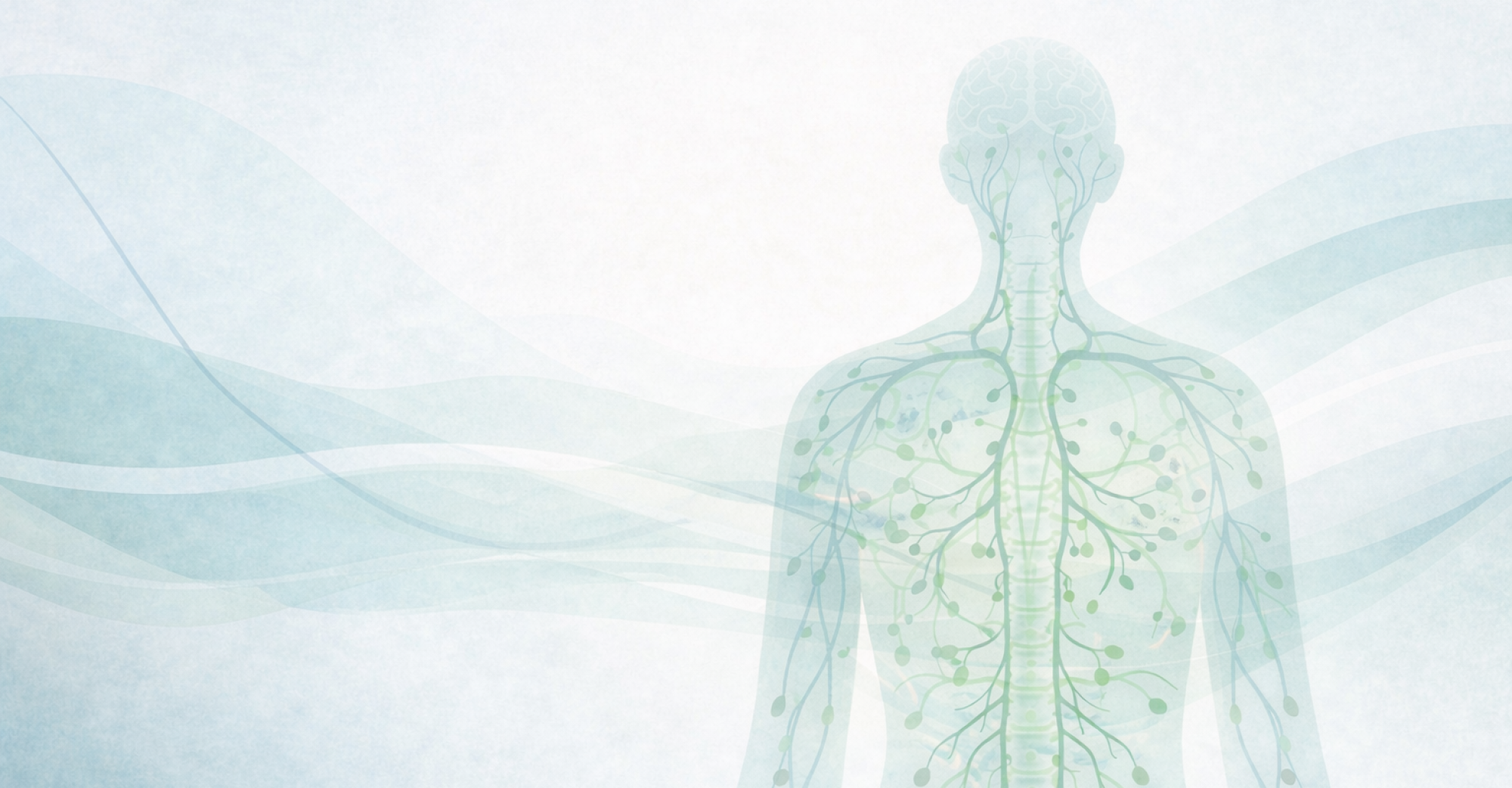
Heat intolerance in Long COVID is frequently linked to dysautonomia a malfunction of the autonomic nervous system (ANS), which normally regulates heart rate, blood pressure, and body temperature.
Common heat-induced symptoms include:
- Dizziness or fainting (orthostatic intolerance)
- Rapid heart rate (POTS – Postural Orthostatic Tachycardia Syndrome)
- Sudden cardiovascular fatigue or “body crashes”
- Low blood pressure (hypotension), especially after standing
- Breathlessness or shallow breathing
- Fluctuating temperature perception—sweating or chills without cause
- Headaches, sometimes severe and persistent
Even mild heat can feel like a full-on system shutdown when your ANS is on the fritz.
The MCAS & Immune Connection
Hot weather is also a common trigger for Mast Cell Activation Syndrome (MCAS), which overlaps with Long COVID for many people.
When mast cells release histamines and other mediators inappropriately, you may experience:
- Rashes, hives, or itching
- Gut issues like nausea or diarrhoea
- Brain fog, irritability, or that balloon-animal-full-of-bees sensation
Plus, heat stress can worsen underlying immune dysregulation, which may already be contributing to persistent inflammation in Long COVID.
Dehydration, Clotting & Why Water Isn’t Enough
Dehydration isn’t just unpleasant, it can be dangerous.
Here’s the science:
- Heat causes fluid loss through sweat.
- Many Long COVID patients experience hypovolaemia (low blood volume).
- This can cause fainting, dizziness, and cardiovascular instability.
- Worse still, dehydration thickens the blood, potentially increasing the risk of microclots, which researchers believe may play a role in Long COVID pathology.
Hydration is critical but you’ll need more than just water. Electrolytes support fluid retention and maintain vascular stability.
DIY Electrolyte Drink (Low-Histamine-Friendly)
Skip the sugary sports drinks and try this homebrew:
Ingredients:
- 500 ml water
- 1/4 tsp sea salt or pink salt
- 1/4 tsp baking soda (balances pH)
- 1–2 tsp maple syrup or honey(optional energy boost)
- A dash of lemon or lime juice (if tolerated)
Other options are coconut water or watermelon
Sip gradually throughout the day, don’t down it all in one go.
All are subject to individual tolerance.
5 Patient-Tested Tips for Hot Days
1. Cool Down Strategically
Cooling vests, ice packs on your neck/wrists, or a cold flannel on the face can keep your core temperature manageable.
2. Pre-Cool Before Going Out
Sit by a fan or use a cooling device before stepping outside think of it as armouring up.
3. Use Compression Wisely
Waist high compression garments can improve blood flow and reduce dizziness. But if they make you overheat find other options.
4. Track Your Heart Rate
Use a fitness tracker or app. If your pulse shoots up or you feel faint, sit or lie down—pronto.
5. Keep Salty Snacks Handy
Salted crackers or broth can help maintain blood pressure. (Always check with your clinician first, especially if you’ve got cardiac conditions.)
Clinicians: This Is Not Just “Heat Intolerance”
Heat-related symptoms in Long COVID often involve:
- Autonomic dysfunction (e.g., POTS, hypotension)
- Cardiovascular instability
- MCAS reactions
- Immune dysregulation
- Hypovolaemia and possible microclotting
Validating these symptoms, offering practical hydration support, and considering autonomic/MCAST testing can make a real difference to patient outcomes.
Final Thought
If you’re melting while others are thriving in the sun, you’re not lazy or dramatic. You’re facing a real multisystem stressor. Long COVID doesn’t just make life harder, it even makes the weather harder.
Stay cool, stay salty, and don’t feel embarrassed about looking like a heatwave-prepped astronaut in aisle five. Your nervous system will thank you.
 Long Covid Journey