An honest letter from someone who can’t do bright, loud, or chatty right now.
Hi,
If you’ve ever walked into my room and wondered why it’s so dark, so quiet, and why I wince when you whisper, this is for you.
I want to explain what’s going on not to push you away, but to help you understand why light, sound, and even gentle conversation can feel like too much when you’re seriously ill.
It’s hard to explain, because it’s invisible. But if you can imagine your brain as a phone with 1% battery and every app open at once that’s me, all day.
What It Feels Like
It’s not just being tired. It’s that the world suddenly feels too loud, too bright, too fast.
The sunlight through the curtains burns like a flashbulb. A kettle clicking on sounds like thunder. Someone saying “Are you okay?” feels like being shouted at in a nightclub.
It’s not drama, and it’s not anxiety. It’s neurological overload my brain literally can’t filter sensory input anymore. Every bit of light, sound, motion, even someone moving their hands while they talk, demands attention I don’t have to give.
When that happens, I don’t just feel uncomfortable, I crash.
My heart races, my body shakes, my head throbs, and I feel like I’m going to faint. After a few minutes, I can’t process words, I can’t think, and I have to retreat into complete stillness.
That’s what doctors call sensory overload. For me, it’s part of Long COVID and autonomic dysfunction, but it also happens in ME/CFS, migraine disorders, MCAS, and other chronic conditions.
Why It Happens
When your body’s energy systems are broken, your brain doesn’t have enough power to keep filtering and processing all the noise and light around you. Normally, it’s automatic — your brain decides what matters and what doesn’t.
But with severe illness, that filter collapses. Everything floods in, like every radio station blasting at once.
The science bit?
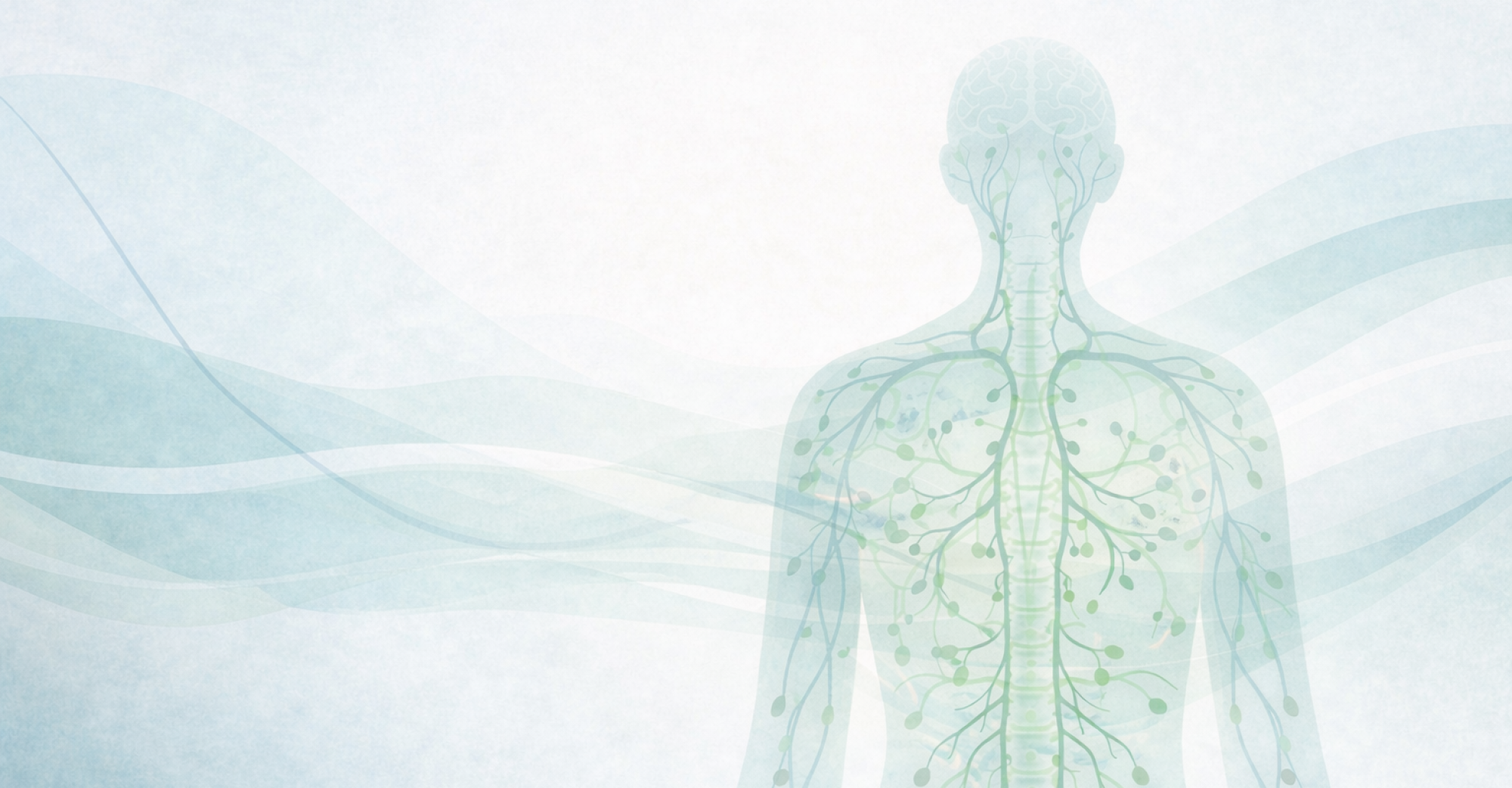
- In Long COVID, the autonomic nervous system (which controls heart rate, digestion, blood flow, even how your eyes adjust to light) goes haywire.
- Neuroinflammation makes sensory nerves hyper-reactive.
- Mast cell activation (MCAS) can trigger histamine release that worsens sensitivity.
- And when energy is low (as in ME/CFS), the brain simply doesn’t have the resources to tune anything out.
So, the world becomes physically painful not metaphorically.
Why I Need Quiet and Darkness
People sometimes think I’m isolating myself. I get it — from the outside it must look bleak: the curtains closed, no music, minimal talking.
But for me, this isn’t withdrawal; it’s neurological triage.
My brain is overwhelmed, and quiet is how I stabilise it.
When you dim the lights or stop talking, you’re not “giving in” to the illness — you’re giving me the only kind of rest that actually helps.
Silence lets my nervous system breathe.
Even two minutes of peace can calm my heart rate and nausea. That’s not “in my head.” Research shows silence lowers stress hormones and allows the brain to repair itself.
How You Can Help
You don’t need to do much, just small, thoughtful things make a massive difference.
- Keep your voice soft and slow. One gentle sentence at a time is perfect.
- Avoid sudden light. Warn me before you open curtains or turn on lamps.
- Limit background noise. If you’re visiting, maybe turn the TV or phone off for a bit.
- Keep movement calm. Fast gestures or pacing can feel dizzying.
- Ask before touching or adjusting things. Even small surprises can jolt my system.
If you’re not sure what helps, you can always ask:
“Would you like it quieter?” or “Do you need the light dimmed?” those questions mean the world.
What My Space Is For
I know my room looks strange. It’s dim and still. The curtains are drawn, sometimes there’s white noise or earplugs, and I might communicate with gestures or notes instead of speech.
This isn’t a cave or a prison, it’s my recovery space.
A low-stimulus environment gives my body the best shot at healing.
If I can spend an hour or two without the world hammering through my senses, I sometimes get a little more energy later. That’s the difference between surviving and actually living a bit.
When to Worry (and When Not To)
If I stop talking, or can’t answer questions, that’s not rudeness. It just means I’ve hit sensory capacity. Give me time.
But if I seem confused, disoriented, or lose vision or hearing suddenly, then I might need medical help, those can be neurological or mast-cell reactions.
Most of the time, though, what I need most isn’t a doctor, it’s just understanding, quiet, and space to breathe.
Reconnecting Gently
When things start to improve, I’ll let you know.
I’ll ask for the lights half open, or maybe try a short conversation. I might ask for a cup of tea and even tolerate a soft playlist again.
Please don’t rush me. The senses need rehab like muscles do slowly, predictably, and with kindness.
What I Want You to Know
I miss company. I miss laughter. I miss being able to handle the simple joy of someone walking in and saying, “How’s your day?”
But right now, my brain can’t process all that noise. So when I ask for quiet, I’m not shutting you out, I’m inviting you in, in the only way I can handle.
If you sit nearby, quietly, maybe hold my hand for a bit or just let me rest while you’re there, I feel it. I notice. It helps more than you can imagine.
Closing Thought
The world has forgotten how to be still. But stillness is where healing hides.
If you can help me protect that stillness, the dark, the quiet, the calm, you’re already doing more for my recovery than any medicine I’ve tried.
Thank you for understanding.
Thank you for whispering.
Thank you for keeping the lights low.
 Long Covid Journey