Dysautonomia is a common complication after COVID, affecting how the body regulates heart rate, blood pressure, and other automatic functions. Many people develop symptoms such as rapid heart rate when standing (POTS), dizziness, fatigue, and palpitations.
This article shares a personal experience of living with dysautonomia after COVID, alongside current understanding of the condition.
What Is Dysautonomia After COVID?
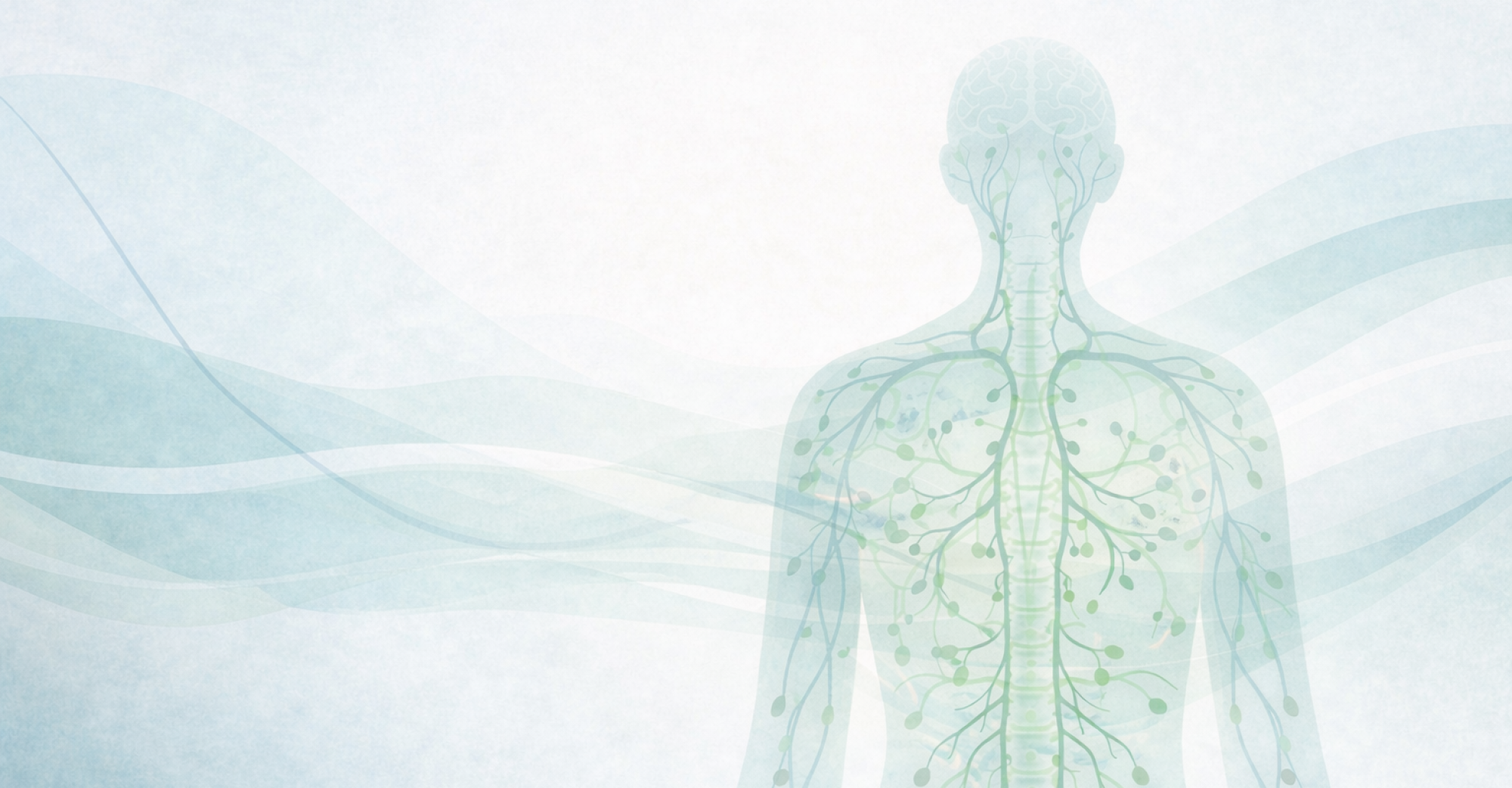
Dysautonomia refers to dysfunction of the autonomic nervous system the system responsible for regulating heart rate, blood pressure, breathing, digestion, and temperature.
After COVID, this system can become unstable, leading to symptoms such as dizziness, palpitations, fatigue, breathlessness, and difficulty tolerating standing.
A Personal Experience with Dysautonomia
When I first caught COVID, it felt like a bad flu. I was exhausted for a week, had trouble breathing, but eventually got better or so I thought.
Months later, I was still crashing. But this wasn’t just fatigue. My heart raced when I stood up. Showers left me dizzy and gasping. Sometimes, I’d feel my pulse pounding in my ears while lying perfectly still.
Doctors said it was “anxiety.” But my body told a different story.
When the Autonomic Nervous System Goes Off Script
After months of searching, a specialist finally ran a tilt table test and there it was: Postural Orthostatic Tachycardia Syndrome (POTS), a form of autonomic dysfunction that can follow viral infections.
Studies show that a significant proportion of people with Long COVID develop autonomic symptoms, including heart rate spikes, dizziness, gastrointestinal issues, and temperature dysregulation.
For me, it meant my body had forgotten how to regulate basic things like standing up or digesting a meal. This loss of regulation is at the core of dysautonomia.
Even mild exertion could trigger a storm: my heart raced, my hands flushed red, and I’d feel a surge of adrenaline followed by crushing exhaustion.
Breathing, Palpitations, and the Invisible Alarm
Some days, it felt like my lungs worked fine, but my brain wasn’t getting the message that I was safe.
I’d feel breathless sitting still, my chest tight, as if I’d sprinted a mile.
Research suggests that autonomic imbalance and microvascular changes can contribute to these sensations not necessarily low oxygen, but disrupted signalling between the brain, heart, and lungs.
At night, palpitations woke me up. I wore a smartwatch to track what was happening and it confirmed what I felt: my heart rate could jump from 70 to 130 just by standing up.
That small piece of data made me feel sane again. This wasn’t imagined.
Then Came MCAS: The Body’s Fire Alarm
After COVID, strange allergic-like reactions started showing up.
Flushing after meals.
Itchy skin after showering.
Sudden lightheadedness from perfumes or temperature changes.
I’d never had allergies before, but now my immune system seemed to overreact to everything.
My doctor explained that mast cell activation syndrome (MCAS) can overlap with Long COVID. In this condition, immune cells release histamine too easily, leading to inflammation, brain fog, hives, and tachycardia.
Research consistently shows that many people with Long Covid experience overlapping patterns of autonomic dysfunction and immune activation. While estimates vary, these patterns are widely recognised across clinical studies.
What helped?
- Low-histamine diet
- Antihistamines (H1/H2 blockers) under supervision
- Avoiding triggers (heat, stress, alcohol, certain foods)
It didn’t cure me, but it lowered the background fire.
Learning to Live with a Nervous System That Misfires
Once I understood that my symptoms came from dysautonomia not weakness everything changed.
I built a new rhythm:
- Compression garments to support circulation
- Increased fluids and electrolytes to support blood volume
- Recumbent exercise (like gentle cycling or floor yoga) when possible
- Pacing and heart rate monitoring to stay below my crash threshold
None of it was linear. Some weeks I improved; others, I regressed without clear reason. But each adjustment helped me feel a little more in control.
Family and the Shifting Normal
Long COVID doesn’t just steal your stamina—it steals your predictability.
My family had to learn that “maybe later” meant “if my heart rate allows it.” My kids became experts in bringing me water with electrolytes. My partner learned to recognise my colour changes before I fainted.
There’s grief in that—not just mine, but theirs.
Chronic illness reshapes relationships. It changes roles, expectations, and the rhythm of daily life.
The Science Behind the Symptoms
Research consistently shows that many people with Long Covid experience fatigue, autonomic dysfunction, and immune-related symptoms such as MCAS. While estimates vary, these patterns are widely recognised across clinical studies.
This isn’t rare. It’s just under-recognised.
What Recovery Looks Like Now
Recovery for me doesn’t mean going back to how things were before. It means:
- Being able to cook without collapsing
- Taking short walks without severe palpitations
- Accepting rest without guilt
- Finding purpose in writing, connecting, and educating others
Healing is slow, nonlinear, and humbling.
But it’s happening—not because my body returned to normal, but because I stopped fighting how it works now.
To Anyone Living This
You’re not alone. You’re not lazy.
You’re navigating an invisible conflict between your nervous system and your willpower.
Some days you’ll win by standing up without dizziness.
Other days, you’ll win by resting.
Both count.
A Reader’s Voice
This account comes from an anonymous reader living with POTS and Long COVID. She shared her story to help others feel less alone and to show that behind the medical terms are real people adapting, learning, and surviving.
Awareness is not just about science—it is about empathy, listening, and recognising lived experience.
FAQs
What is dysautonomia after COVID?
It is a dysfunction of the autonomic nervous system, affecting heart rate, blood pressure, and other automatic processes.
What is POTS in Long Covid?
POTS (Postural Orthostatic Tachycardia Syndrome) is a condition where the heart rate increases significantly when standing.
Why does my heart race after COVID?
This can be due to autonomic dysfunction, where the body struggles to regulate circulation and heart rate.
Can dysautonomia improve over time?
Some people experience gradual improvement, although recovery is often slow and fluctuating.
What helps manage dysautonomia symptoms?
Strategies may include hydration, electrolytes, compression garments, pacing, and avoiding triggers.
Disclaimer
This article is for information and awareness only. It is not medical advice and should not replace professional assessment or treatment.
 Long Covid Journey