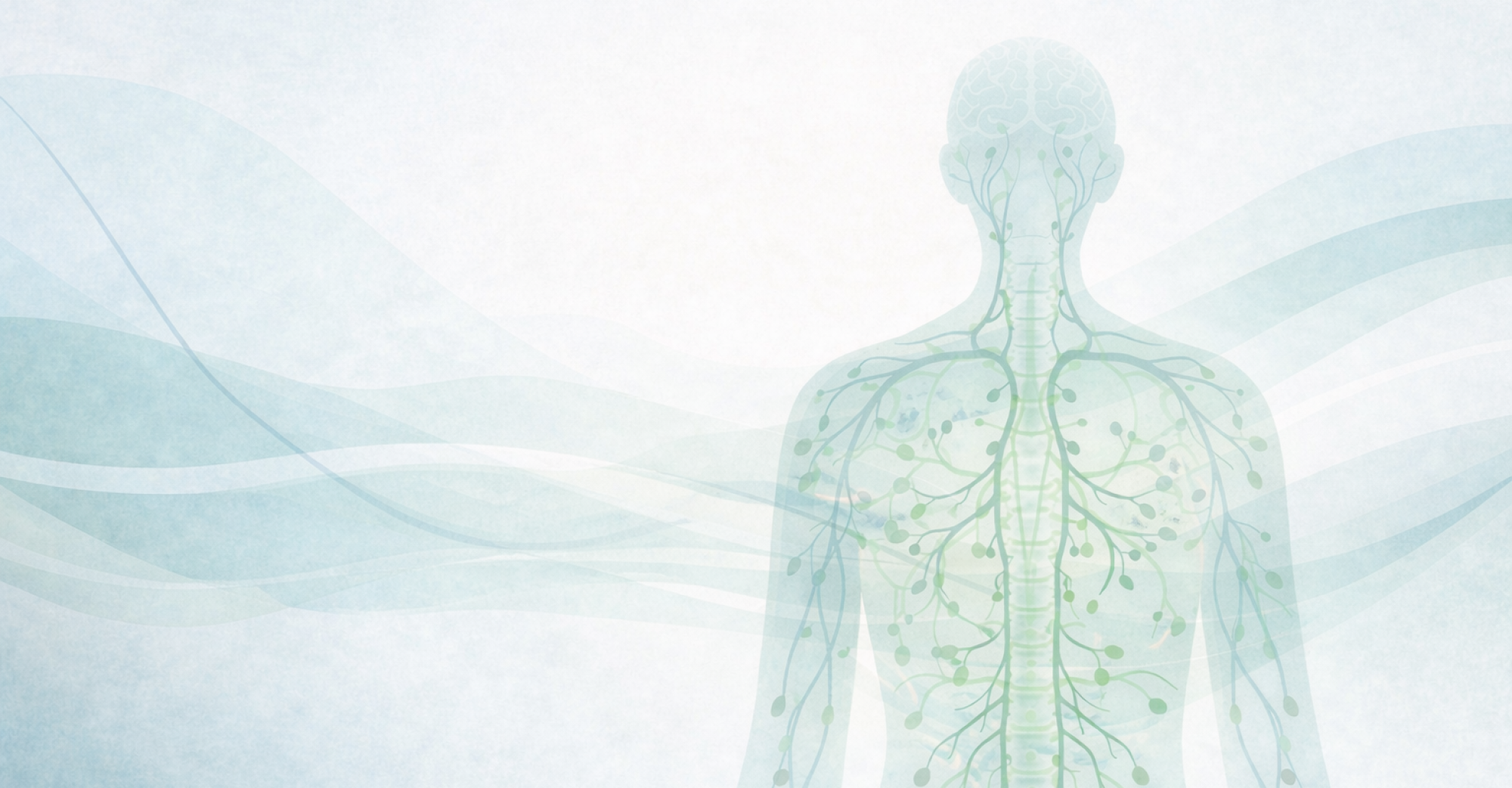
Long COVID may impact liver health, with emerging research indicating elevated liver enzymes in affected individuals. Elevated enzymes suggest liver strain rather than permanent damage. Factors include inflammation, post-viral detoxification, and potential fatty liver development. Monitoring liver health through diet, hydration, and gentle exercise is essential for recovery and management.
Tag: covid
Cholesterol Levels and Long COVID: What You Need to Know
Research suggests a link between Long COVID and cholesterol levels, with observational studies indicating that high LDL-C may correlate with prolonged symptoms and inflammation. Managing cholesterol through diet and gentle exercise could support overall health during recovery. Maintaining a healthy lipid profile may enhance recovery, although further research is needed to establish direct causation.
Long COVID Treatment: Why Talking Therapy Isn’t Enough
Long COVID is a complex biomedical condition, not a psychological disorder that can be treated through talking therapy or exercise alone. It involves physiological issues like endothelial and mitochondrial dysfunction, persistent inflammation, and immune dysregulation. Psychological support may help patients cope with emotional trauma, but it cannot replace necessary medical interventions for their condition.
Why Long COVID Lingers: Understanding Viral Persistence and Natural Remedies for Recovery.
Let’s dig into why long COVID seems to linger for so many people. For those still feeling like a “permanent guest” at the viral hangover party, the answer could be found in viral persiLet’s dig into why long COVID seems to linger for so many people. For those still feeling like a “permanent guest” at … Continue reading Why Long COVID Lingers: Understanding Viral Persistence and Natural Remedies for Recovery.
Finding Joy and Rest: A Cat’s Guide for Long COVID
Living with Long COVID has taught me valuable lessons inspired by my Siberian cat. Embracing strategic rest, finding joy in small moments, setting boundaries, and accepting quirks are essential. Each day offers opportunities for connection and reflection. Following my cat’s example, I’m learning that a slower pace can still be fulfilling.
Why Are We Forgetting About COVID This Winter?
As winter brings seasonal festivities, COVID-19's presence fades from media attention, overshadowed by flu and RSV discussions. This shift reflects pandemic fatigue and a strategic choice by health officials to avoid controversy. Ignoring COVID risks undermines public health awareness, complicating healthcare systems and neglecting ongoing long COVID effects. Transparency is crucial for safety.
Understanding Long COVID: Key Strategies for GP Support
The leaflet developed by Long COVID SOS, the Clinical Post-COVID Syndrome Society, and the Royal College of General Practitioners aids GPs in managing Long COVID. It provides insights on symptoms, holistic support, referral guidelines, and valuable resources to improve care, validating patient experiences and addressing this complex healthcare challenge effectively.
Living with Long COVID: Navigating a Forgotten Pandemic
Life feels like it’s split into two worlds these days. There’s the world of people who have “moved on” from COVID—living life as if the pandemic never happened—and then there’s ours: the world of people with long COVID, and other Chronic Illness, where every step forward feels like climbing Everest. For many of us, life … Continue reading Living with Long COVID: Navigating a Forgotten Pandemic
T-Cell Exhaustion in Long COVID: What You Need to Know
Long COVID fatigue can be attributed to exhausted T-cells, crucial white blood cells in the immune response. Prolonged infection leads to T-cell dysfunction, contributing to chronic symptoms. Research indicates T-cell exhaustion persists post-infection. Strategies like immunomodulators, supplements, and a healthy lifestyle may aid recovery and restore T-cell health.
Long COVID The Real Invisible Challenge
Long COVID is a complex condition distinct from simple deconditioning. It presents unique symptoms like brain fog, nerve pain, and post-exertional malaise (PEM), where exertion causes severe fatigue. Autonomic dysfunction further complicates recovery, making exercise challenging. Research indicates it’s not linked to laziness or lack of fitness but involves systemic issues needing careful management.
 Long Covid Journey