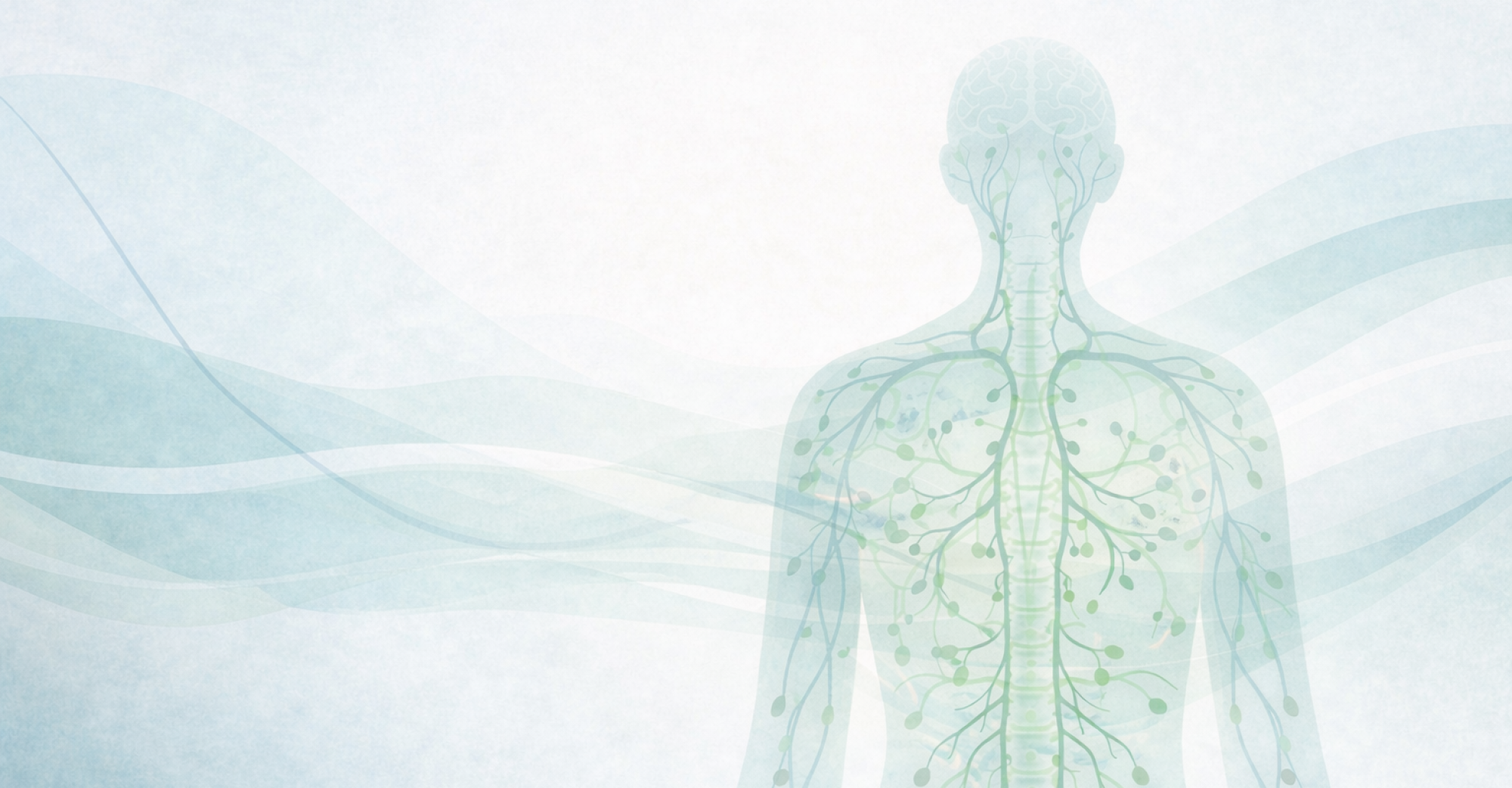
Postural orthostatic tachycardia syndrome (POTS) is a real, disabling condition affecting the body's autonomic nervous system, blood volume, and immune response. Patients experience symptoms like dizziness, rapid heartbeat, and fatigue upon standing. Multiple overlapping mechanisms contribute to POTS, and proper diagnosis and management can significantly improve patient outcomes. Understanding and recognition are crucial.
Tag: chronic illness awareness
Redefining Strength: Coping with Long COVID
Long COVID dramatically altered my life, transforming simple tasks into strategic challenges. The symptoms, like dizziness and tachycardia, necessitate constant planning and acceptance of help. I've learned that strength is now about awareness and adaptation rather than endurance, cultivating gratitude for small moments amidst this new reality.
Understanding Sensory Overload in Chronic Illness
The letter describes the struggles of someone with severe illness, detailing how sensory overload from light and sound can overwhelm them, leading to neurological distress. The writer explains their need for a low-stimulus environment to aid recovery, emphasizing that quietness and understanding from others greatly support their healing process.
“We’re All Bored of COVID” But That Doesn’t Mean It’s Over
A new wave of COVID-19 is causing fatigue and exhaustion among the public, who desire to return to normalcy. However, the virus continues to affect lives, with many experiencing long-term health issues. It is essential to acknowledge ongoing risks, promote clean air, and extend compassion to those still suffering from post-COVID symptoms.
Chronic Illness in Pop Culture: TV and Film Moments That Highlight ME/CFS and Long COVID
Media significantly influences societal perceptions of chronic illnesses like ME/CFS and Long COVID, often misunderstood and underrepresented. Key portrayals in shows like "The Golden Girls" and documentaries like "Unrest" raise awareness yet reveal gaps in representation. More nuanced narratives are crucial for fostering understanding and reducing stigma surrounding these complex conditions.
 Long Covid Journey