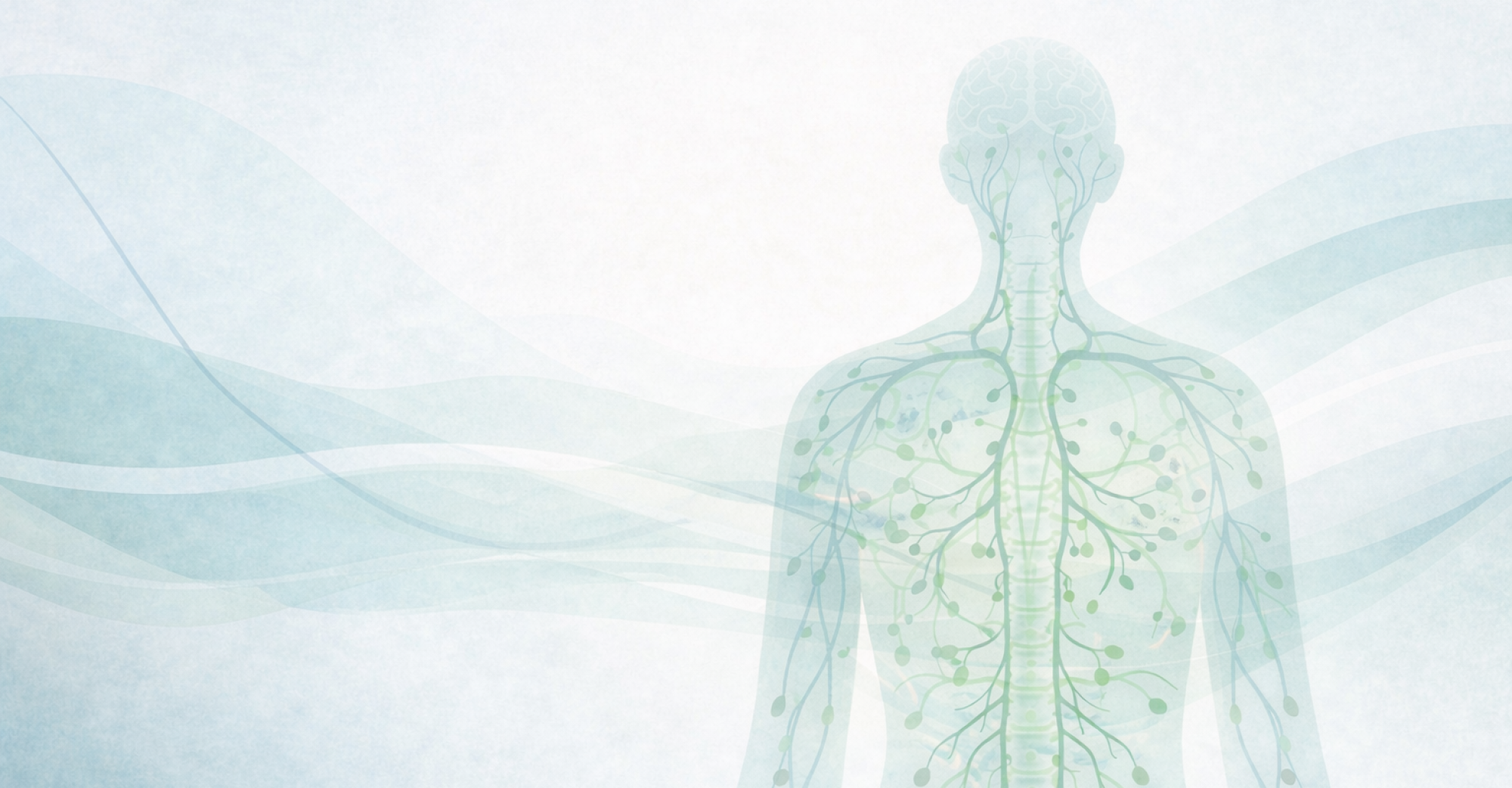
Many Covid recovery patients experience tinnitus, visual disturbances, and sensory dysregulation, often without structural abnormalities in tests. These symptoms suggest central nervous system involvement rather than local issues. While no targeted treatment exists, managing autonomic function and avoiding sensory overload may stabilize symptoms, reflecting a broader neurological pattern in Long Covid.
Tag: long covid research
Immunotherapies and Monoclonal Antibodies in Long Covid: Evidence, Trials, and Clinical Uncertainty
Long Covid presents a complex challenge for clinicians, as many patients exhibit a variety of persistent symptoms suggestive of immune dysregulation. Growing interest in immunotherapies and monoclonal antibodies highlights potential benefits for certain subsets of patients. However, evidence remains limited, necessitating caution and careful patient selection in treatment approaches.
Navigating Life’s Challenges Post-COVID
Life is divided between those who have moved on from COVID and those with long COVID, facing daily struggles. Small achievements feel monumental, while society neglects the ongoing crisis. Advocating for ourselves and supporting each other is vital as we navigate fatigue and isolation, striving for recognition and change. Hope lies in community and shared victories.
Long COVID: Communities Changing the Healthcare Narrative
Recent years have seen a paradigm shift in healthcare dynamics, especially for conditions like Long COVID. Social media empowers patients to organize, advocate, and lead research efforts, fostering peer support and amplifying their voices. This democratization of knowledge influences research agendas, policy discussions, and challenges traditional medical narratives, creating a collaborative future in medicine.
Long COVID in Children: What Parents and Doctors Need to Know
Long COVID affects children, leading to persistent symptoms like fatigue and brain fog, regardless of the initial illness severity. The First International Meeting on Paediatric Long COVID in Rome, November 2024, brought experts together to address this issue, sharing insights on biological causes, treatment strategies, and the need for tailored care to support affected families.
Impact of COVID Vaccines on Long COVID Neurological Symptoms
Recent research reveals that COVID-19 vaccination does not significantly lower the risk of developing neurological symptoms associated with Long COVID. While vaccines don't prevent these symptoms, they still reduce overall Long COVID risk and the likelihood of severe COVID-19. Understanding these findings is essential for informed health decisions.
Role of Galectin-3 in Long COVID Symptoms
Prof. Resia Pretorius and Dr. Douglas Kell's research reveals why long COVID can induce blood clotting issues, focusing on abnormal clots and the protein galectin-3. Their findings suggest potential treatments, such as targeting galectin-3 and repurposing amyloid therapies, while emphasizing the need for further study on long COVID's implications for millions affected.
Living with Long COVID: Navigating a Forgotten Pandemic
Life feels like it’s split into two worlds these days. There’s the world of people who have “moved on” from COVID—living life as if the pandemic never happened—and then there’s ours: the world of people with long COVID, and other Chronic Illness, where every step forward feels like climbing Everest. For many of us, life … Continue reading Living with Long COVID: Navigating a Forgotten Pandemic
Long COVID: The Real, Invisible Challenge
Long COVID is a serious, physical condition that goes beyond ordinary fatigue, impacting daily life. It manifests as debilitating symptoms like extreme tiredness, brain fog, and unpredictable energy levels. Society's misunderstanding creates stigma, hindering support. Increased research, accessible treatments, and medical training are crucial for proper recognition and care for those affected.
Long COVID The Real Invisible Challenge
Long COVID is a complex condition distinct from simple deconditioning. It presents unique symptoms like brain fog, nerve pain, and post-exertional malaise (PEM), where exertion causes severe fatigue. Autonomic dysfunction further complicates recovery, making exercise challenging. Research indicates it’s not linked to laziness or lack of fitness but involves systemic issues needing careful management.
 Long Covid Journey