Digestive symptoms such as diarrhoea, constipation, bloating, and changes in stool are increasingly reported in Long Covid. These gut issues can persist for months and are linked to changes in the microbiome, inflammation, and autonomic dysfunction.
The Toilet Chronicles: How Long COVID Messes with Your Gut, and What You Can Do
(Yes. We’re talking about poo. And runs. And constipation. Because it matters.)
I never expected that when I got a virus designed for the lungs, my colon would feel like it’d joined the party too. Yet here we are: in the world of Long COVID, even the most mundane bodily functions like going to the loo become eventful. Diarrhoea. Constipation. Bloating. The gut acting like a roller‑coaster nobody asked to ride.
If you’ve found yourself Googling “Why is my poo weird after COVID?”, you’re not alone.
What’s going on in there? (The gut, not the loo)
How the gut normally works
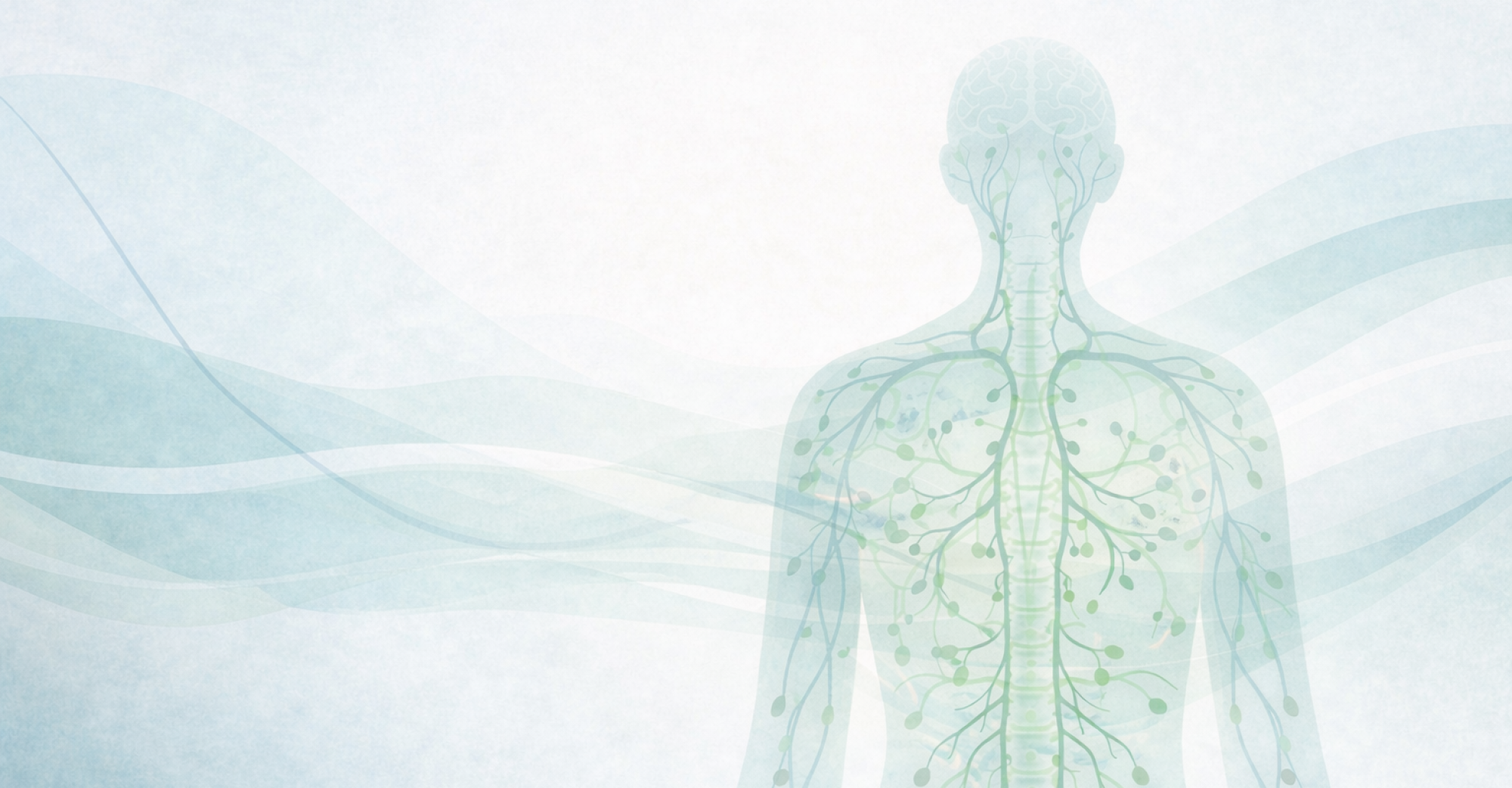
Your gut is a busy place. Motility (moving food along), absorption (taking up nutrients and water), the microbiome (trillions of bacteria), nerves (Gut–brain axis disruption), immune tissue, and yes, poop production. When it works well, you don’t think about it much.
But when it doesn’t, you definitely think about it.
How Long COVID can interfere
Several key mechanisms seem to play a part:
- Microbiome disruption: Studies show patients with Long COVID have reduced bacterial diversity in their guts and lower levels of beneficial bacteria.
- Inflammation & viral persistence: Some evidence suggests viral fragments or ongoing inflammation in gut tissue may drive ongoing symptoms.
- Motility / autonomic dysfunction: The autonomic nervous system (which controls gut movement) may be affected in Long COVID, leading to sluggish transit (constipation) or hyper‑active transit (diarrhoea).
- Gut‑brain axis stuff: Your gut and brain chat constantly. When one is off, the other responds. Post‑viral IBS‑type patterns are being seen.
What the data say
- Studies suggest that: about 6.8% of patients (without prior GI issues) developed new‑onset constipation ~100 days after acute COVID.
- Diarrhoea, constipation, bloating and abdominal pain are all more likely in people post COVID: for example, patients who’d had COVID were ~54% more likely to experience digestive symptoms like constipation, diarrhoea, bloating than controls.
- Post‑infectious IBS (a functional gut disorder after infection) rates of ~17% have been seen in some studies following COVID.
So yes, the gut is definitely part of the Long COVID story.
Diarrhoea vs Constipation: Two sides of the same messy coin
When it’s the runs
Your gut might decide it wants to eject things too quickly. Causes in Long COVID: gut inflammation, changed gut flora, loose motility, increased permeability.
Symptoms: urgent loo trips, watery stools, maybe abdominal cramps, fatigue afterwards.
What to watch: if you’re losing weight, dehydrated, bleeding, or losing control of your bowels, you must see a doctor.
When it’s the bung up
On the flip side: slowed transit. Your gut thinks “nope, not today” and things pile up.
Causes: sluggish motility (autonomic dysfunction), low fibre diet (sometimes from being ill), dehydration, medication side‑effects, dysbiosis.
Symptoms: hard stools, fewer than 3 poos/week, straining, bloating, feeling “blocked”.
Again: if you have blood in stool, unintentional weight loss, or sudden changes, see a GP.
Why both can happen
In Long COVID you can have a mix: periods of diarrhoea, then constipation, then bloating. The gut’s rhythm is out of sync. It’s not weird. It’s just the system mis‑behaving.
What else may be involved: MCAS, motility, diet and more
- Mast Cell Activation Syndrome (MCAS): In some Long COVID cases, mast cells (immune cells) are over‑reactive, releasing histamine and other mediators that can affect gut motility, sensitivity, cause bloating, diarrhoea or constipation. While MCAS in Long COVID is still being studied, it’s part of the conversation.
- Diet changes: Damage to gut flora means your old diet might not suit anymore. Fibre becomes super‑important (but increased slowly), and you might need to avoid triggers (high fat, lactose, high FODMAP foods) if you have sensitivity.
- Motility / movement: Reduced physical activity (because of fatigue) means slower gut movement. Dehydration, medication (painkillers, antidepressants) and low‑fibre all compound the issue.
- Gut permeability (“leaky gut”): Inflammation can mean your gut lining is less tight. That may contribute to systemic symptoms.
Practical steps: What you can do (before the doctor’s visit)
Here’s a friendly, actionable list. Do them gently. If something hurts or you’re unsure ,see a doctor.
Diet & lifestyle
- Increase fibre gradually: aim for whole grains, legumes, plenty of vegetables, fruit. If you go too fast you might trigger bloating.
- Stay hydrated: aim for ~1.5‑2 litres a day (adjust for size/activity). Good fluids = water, herbal tea; avoid too much caffeine or alcohol.
- Regular movement: even gentle walks help stimulate gut motility. Pets not required but helpful.
- Mind the triggers: keep a food‑diary. Dairy, fatty meals, sugary foods, alcohol, processed foods can aggravate symptoms.
- Probiotics/prebiotics: while evidence is still emerging, the idea is to support your gut bacteria. Foods like yoghurt (if tolerated), kimchi, kefir, or speak to your nutritionist.
- Manage stress and sleep: since gut and brain are connected, poor sleep or high stress = worse gut.
Habits around the loo
- Don’t hold it in: when you feel the urge, go. Holding stools can make constipation worse.
- Establish a routine: after breakfast, try a short walk then go to the loo.
- Consider posture: a small stool under feet (so knees above hips) can help with elimination.
- Don’t obsess over frequency: 3 times/day vs 3 times/week? Both can be okay depending on you, but change is what matters.
When to speak to your doctor
- Blood in stool, dark/black stool, unexplained weight loss.
- Severe abdominal pain, prolonged vomiting, dehydration.
- Symptoms interfering with sleep, work, quality of life.
- Suspect MCAS (hives, flushing, itching) or dysautonomia (heart racing on standing) also present.
- If you’re already under care for Long COVID, mention bowel/gut symptoms, they may require specialist referral (gastroenterology, motility clinic).
Why you shouldn’t just wait and hope
It’s tempting to think: “Maybe it’ll sort itself.” But given the data:
- Gut microbiome changes may persist for a year or more post‑COVID.
- Digestive disorders (IBS, functional gut disorders) appear more often after COVID.
- The longer things remain unresolved, the more they can impact other systems (fatigue, mood, immunity).
So acting early gives you better odds of getting back to “normal” (or a new normal).
A little humour to make it more tolerable
Yes, you may feel like your gut has thrown a “post‑party after the virus” and forgotten to clean up.
Your loo might have become your new meeting room.
But you’re not broken. Your system is just out of sync. Treat it kindly.
A good fibre‑rich breakfast, a short walk, a dignified visit to the bathroom… these are small victories.
Celebrate them. Because they matter.
The big takeaway
If you’ve got Long COVID and your gut’s been misbehaving constipation, diarrhoea, bloating, weird stool, you’re not imagining it.
There’s real biology behind it: dysbiosis, motility changes, inflammation, gut‑brain crosstalk.
You can take practical steps: diet, hydration, movement, stress‑management, when to seek help.
And you should speak to your doctor, gut issues in Long COVID are legitimate.
You might never forget the days you spent Panicked For The Poo, but you can reclaim your internal plumbing.
FAQs
Is diarrhoea common in Long Covid?
Yes. Many people report ongoing or intermittent diarrhoea after COVID. This can be linked to inflammation in the gut, changes in the microbiome, or altered gut motility. Symptoms may fluctuate rather than remain constant.
Can Long Covid cause constipation?
Yes. Some people experience slowed gut movement after COVID. This may be related to autonomic dysfunction, reduced physical activity, dehydration, medication side effects, or changes in gut bacteria.
Why has my poo changed after COVID?
Changes in stool consistency, frequency, or urgency are common. This can happen due to microbiome disruption, inflammation, or altered communication between the gut and nervous system. The gut may process food differently than before.
Can Long Covid cause IBS or IBS-like symptoms?
Yes. Many people develop post-infectious IBS after COVID. Symptoms can include diarrhoea, constipation, bloating, and abdominal discomfort. In Long Covid, this may overlap with broader immune or autonomic changes.
Can gut symptoms appear months after COVID?
Yes. Some people develop digestive symptoms weeks or months after the initial infection. This delayed onset is recognised in post-viral syndromes and can be confusing if the connection to COVID is not obvious.
Why do my symptoms alternate between diarrhoea and constipation?
This pattern is common in Long Covid. It reflects instability in gut motility and regulation. The gut may swing between being overactive and underactive rather than maintaining a steady rhythm.
Can Long Covid affect gut bacteria?
Yes. Research suggests that COVID can disrupt the gut microbiome, reducing beneficial bacteria and altering balance. These changes may persist for months and contribute to ongoing symptoms.
Is this caused by anxiety or stress?
Not primarily. While stress can worsen gut symptoms, many people with Long Covid have underlying biological changes such as inflammation, microbiome disruption, or autonomic dysfunction. The symptoms are real and not simply psychological.
Can mast cell activation (MCAS) affect gut symptoms?
In some people, yes. Mast cell activation can contribute to diarrhoea, bloating, abdominal discomfort, and food sensitivities. This is still being studied but is increasingly recognised in Long Covid.
What foods can make Long Covid gut symptoms worse?
Triggers vary, but common ones include high-fat meals, alcohol, caffeine, lactose, and high-FODMAP foods. Some people develop new sensitivities after COVID. Keeping a simple food diary can help identify patterns.
Should I take probiotics for Long Covid gut issues?
Some people find probiotics helpful, especially for restoring gut balance, but results vary. There is no one-size-fits-all approach, and it may take time to find what works for you.
Can dehydration make symptoms worse?
Yes. Dehydration can worsen both constipation and fatigue, and may also affect gut motility. Staying hydrated is a simple but important step in managing symptoms.
When should I see a doctor about gut symptoms after COVID?
You should seek medical advice if symptoms are persistent, worsening, or include warning signs such as weight loss, blood in the stool, severe pain, or dehydration.
Are these symptoms permanent?
Not necessarily. Some people improve over time, especially with supportive care and pacing. However, recovery can be slow and non-linear.
Can gut issues affect other Long Covid symptoms?
Yes. The gut interacts with the immune system and nervous system. Ongoing gut dysfunction can contribute to fatigue, brain fog, and overall symptom burden.
Can Long Covid cause dysbiosis?
There is growing evidence that COVID can disrupt the gut microbiome, a state known as dysbiosis. This means reduced diversity of beneficial bacteria and an imbalance in gut flora. Dysbiosis may contribute to symptoms such as diarrhoea, constipation, bloating, and food sensitivities, and can persist for months after infection.
What about SIBO or “leaky gut” after COVID?
Some people with Long Covid develop symptoms that overlap with conditions like small intestinal bacterial overgrowth (SIBO), including bloating, gas, and altered bowel habits. “Leaky gut” (increased intestinal permeability) is also being studied as a possible mechanism linked to inflammation. These conditions are not specific to Long Covid and require proper medical assessment, but they are part of the broader discussion around post-viral gut dysfunction.
Disclaimer:
This article is for general information and awareness only. It is not medical advice and should not replace consultation with a qualified healthcare professional. If you are experiencing ongoing digestive symptoms, changes in bowel habits, pain, bleeding, or other concerns, please speak to your GP or specialist.
 Long Covid Journey