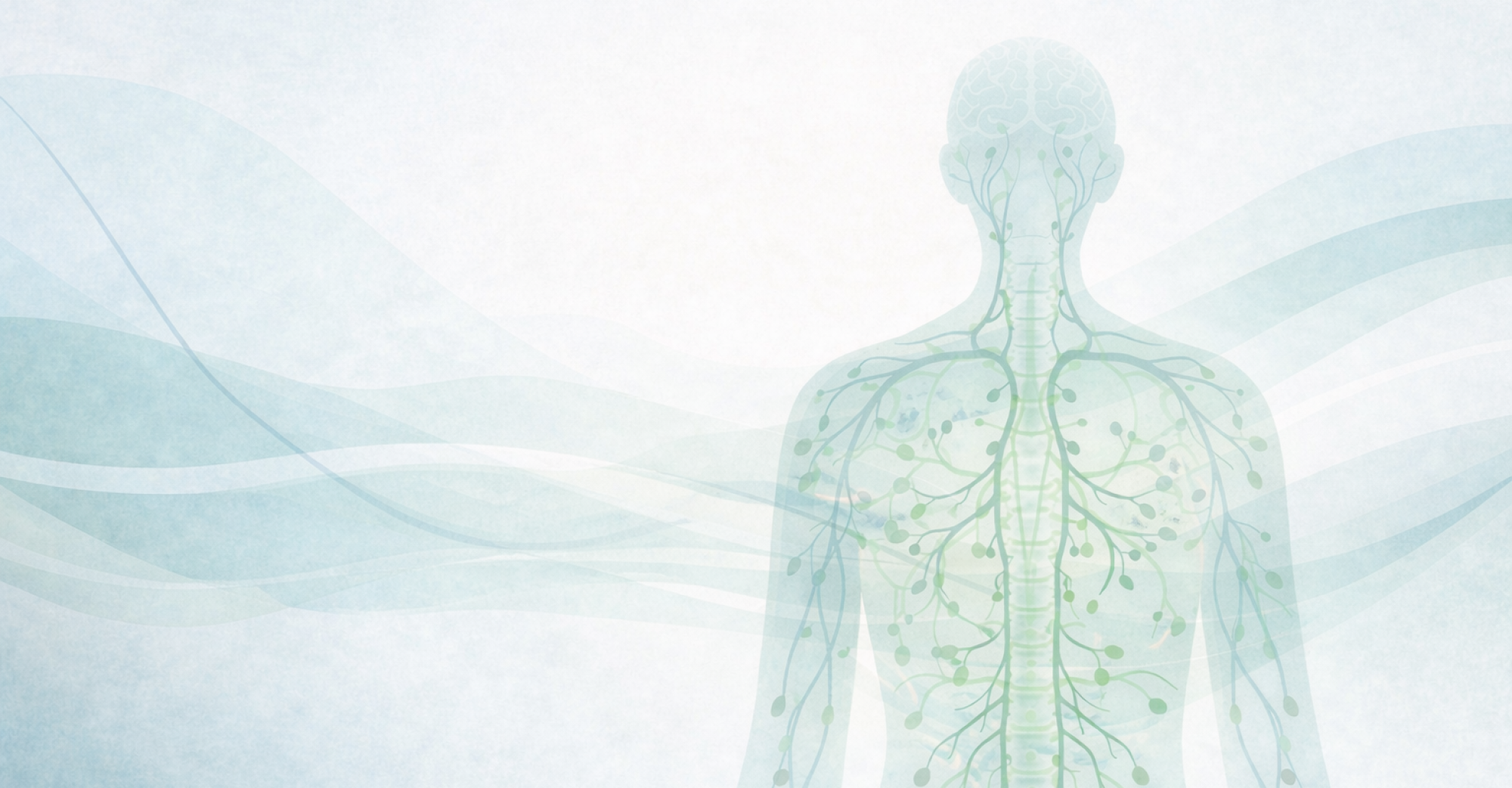
Postural orthostatic tachycardia syndrome (POTS) is a real, disabling condition affecting the body's autonomic nervous system, blood volume, and immune response. Patients experience symptoms like dizziness, rapid heartbeat, and fatigue upon standing. Multiple overlapping mechanisms contribute to POTS, and proper diagnosis and management can significantly improve patient outcomes. Understanding and recognition are crucial.
Tag: autonomic dysfunction
Redefining Strength: Coping with Long COVID
Long COVID dramatically altered my life, transforming simple tasks into strategic challenges. The symptoms, like dizziness and tachycardia, necessitate constant planning and acceptance of help. I've learned that strength is now about awareness and adaptation rather than endurance, cultivating gratitude for small moments amidst this new reality.
Long Covid Gut Issues: Diarrhoea, Constipation and Why Your Poo Changes
Long COVID can significantly disrupt digestive health, causing symptoms like diarrhea, constipation, and bloating. The gut’s microbiome may be affected, leading to motility issues and inflammation. Practical strategies, including dietary changes, hydration, and regular movement, can help manage symptoms. It’s essential to consult a healthcare professional for persistent issues.
Understanding Sensory Overload in Chronic Illness
The letter describes the struggles of someone with severe illness, detailing how sensory overload from light and sound can overwhelm them, leading to neurological distress. The writer explains their need for a low-stimulus environment to aid recovery, emphasizing that quietness and understanding from others greatly support their healing process.
Long Covid and Work in the UK: Why Thousands Are Leaving the Workforce
Britain faces an economic crisis due to Long Covid, with over two million affected individuals suffering debilitating symptoms. The rise in economic inactivity, currently at 2.8 million, highlights the failure of public health policies. Addressing this requires recognizing Long Covid under disability laws and implementing structural changes to support affected workers.
Boost Your Productivity with Science-Backed Power Naps
Power naps, lasting 10-20 minutes, enhance alertness, mood, and memory while reducing fatigue. For those with Long Covid, they serve as vital self-care, fitting into a pacing strategy to mitigate symptoms. Even quiet resting, without sleeping, offers significant benefits. Proper timing and understanding personal responses maximize effectiveness and support recovery.
Understanding Mitochondrial Dysfunction in Long COVID
Mitochondrial dysfunction plays a significant role in Long COVID, leading to reduced energy production, fatigue, and immune system issues. These cellular powerhouses are vital for energy and immune regulation. Strategies for recovery include energy conservation, nutrition, gentle exercise, and professional guidance on supplements and therapies to support mitochondrial health and overall recovery.
Managing Heat Intolerance in Long COVID Patients
Long COVID sufferers often experience heightened heat intolerance due to autonomic dysfunction, resulting in symptoms like rapid heart rate and dizziness. Heat can trigger Mast Cell Activation Syndrome and worsen immune dysregulation. To manage these challenges, hydration with electrolytes and cooling strategies are vital, as symptoms reflect serious underlying issues.
Long COVID vs. Deconditioning: How to Spot the Differences and Manage Symptoms
Long COVID is a complex, multi-system condition characterized by symptoms like post-exertional malaise, brain fog, and autonomic dysfunction. Differentiating it from deconditioning involves tracking symptoms, monitoring heart rate, and conducting medical assessments. Effective treatments for Long COVID focus on pacing and specialist support, while deconditioning requires gradual exercise and professional guidance.
Impact of COVID Vaccines on Long COVID Neurological Symptoms
Recent research reveals that COVID-19 vaccination does not significantly lower the risk of developing neurological symptoms associated with Long COVID. While vaccines don't prevent these symptoms, they still reduce overall Long COVID risk and the likelihood of severe COVID-19. Understanding these findings is essential for informed health decisions.
Perching Stool for Long COVID and POTS Relief: How a Simple Stool Became My Recovery Sidekick
The author shares their unexpected journey with a perching stool, initially viewed with skepticism due to its unappealing design. However, it soon becomes a vital tool during their Long COVID recovery, providing comfort and stability, particularly for those with autonomic dysfunction. The stool proves functional, despite its lack of aesthetics.
Long COVID The Real Invisible Challenge
Long COVID is a complex condition distinct from simple deconditioning. It presents unique symptoms like brain fog, nerve pain, and post-exertional malaise (PEM), where exertion causes severe fatigue. Autonomic dysfunction further complicates recovery, making exercise challenging. Research indicates it’s not linked to laziness or lack of fitness but involves systemic issues needing careful management.
 Long Covid Journey