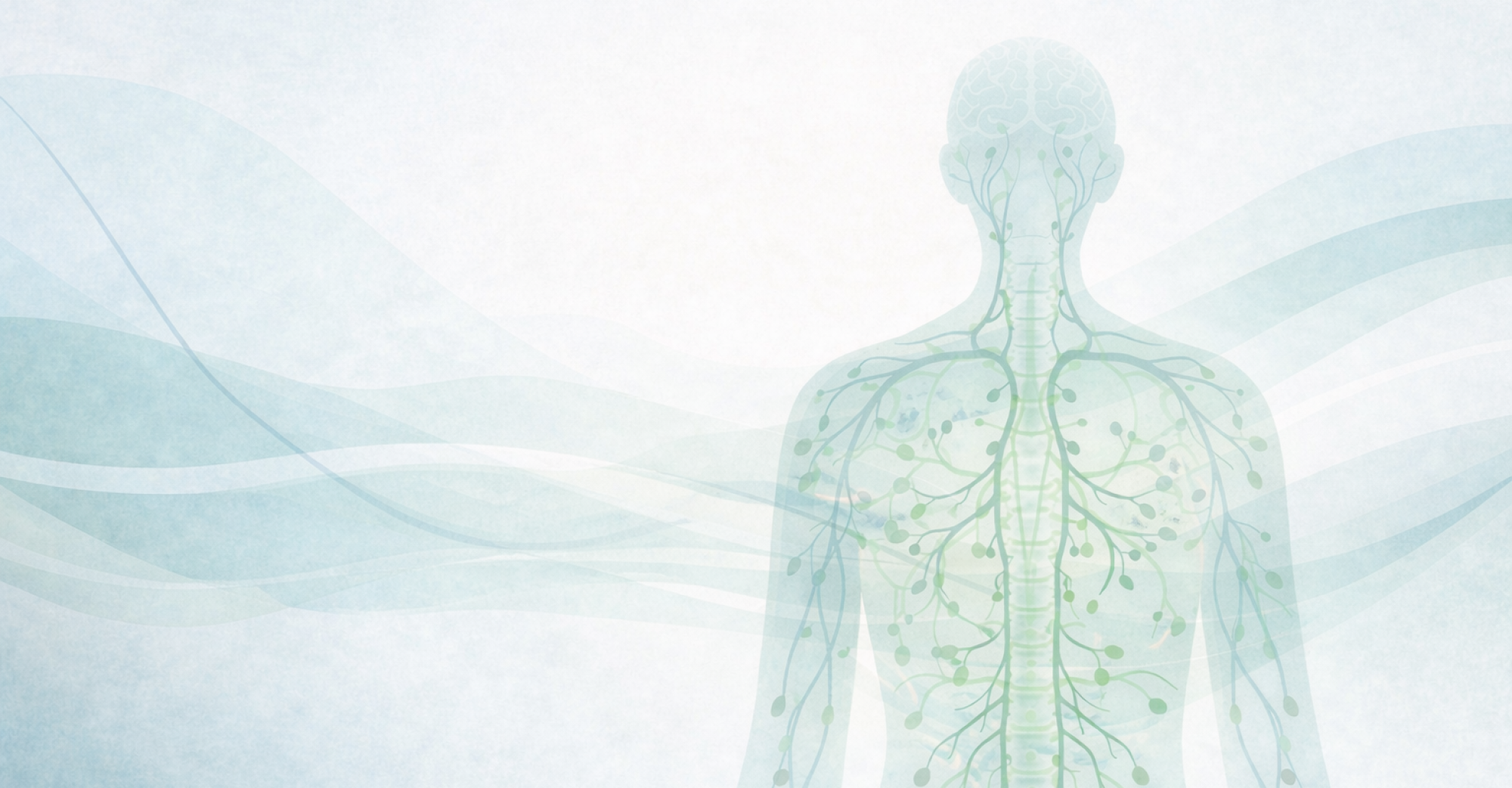
The nasal cavity plays a crucial role in Long Covid, serving as a key interface for neuroimmune signaling and persistent symptoms like smell loss. Ongoing inflammation and immune response may lead to distorted sensory experiences, impacting patients' quality of life. A comprehensive understanding facilitates better management and validation of patient symptoms in Long Covid care.
Category: Symptoms & Complications
Detailed information about the common and less common symptoms of Long COVID. Learn how fatigue, heart, lung, neurological, and other system complications can affect daily life and health.
Burning Nose, Sneezing, and Nasal Sensitivity After Covid (Long Covid Explained)
A Common Long Covid Symptom Explained Persistent sneezing, nasal sensitivity, and burning sensations after Covid are common Long Covid symptoms. They are often caused by ongoing inflammation and nerve sensitisation in the nasal lining, rather than a new infection or allergy. These symptoms can fluctuate and may be triggered by everyday factors such as cold … Continue reading Burning Nose, Sneezing, and Nasal Sensitivity After Covid (Long Covid Explained)
Long Covid Energy Explained: Why Simple Tasks Feel Hard
Long Covid transforms one’s relationship with energy, requiring individuals to meticulously manage their daily activities to avoid debilitating symptoms. This condition surpasses common fatigue, leading to a constant calculation of energy expenditure. Those affected face grief over lost capacities, learning that pushing through often worsens their condition rather than restoring function.
Long Covid and Autoimmune Disease: Is There a Link?
Long Covid may lead to symptoms resembling autoimmune diseases, like fatigue and joint pain, but it does not necessarily cause them. Evidence suggests immune dysregulation occurs without autoimmunity. Although some may develop true autoimmune conditions post-Covid, this is rare. Monitoring is vital, as many symptoms can improve over time.
Why Long Covid Affects Multiple Systems (and Why Tests Can Look Normal)
Patients recovering from acute Covid may experience persistent symptoms like fatigue, cognitive difficulties, and pain despite normal tests. Recognizing these as multi-system phenomena, involving autonomic dysfunction, peripheral neuropathy, and microvascular impairment, helps clinicians validate experiences. Practical assessments and symptom management are essential for improving patient quality of life.
When the Eyes and Ears Are Normal but the Symptoms Persist
Many Covid recovery patients experience tinnitus, visual disturbances, and sensory dysregulation, often without structural abnormalities in tests. These symptoms suggest central nervous system involvement rather than local issues. While no targeted treatment exists, managing autonomic function and avoiding sensory overload may stabilize symptoms, reflecting a broader neurological pattern in Long Covid.
POTS and Orthostatic Intolerance: Symptoms, Causes, and Treatment
Postural orthostatic tachycardia syndrome (POTS) is a real, disabling condition affecting the body's autonomic nervous system, blood volume, and immune response. Patients experience symptoms like dizziness, rapid heartbeat, and fatigue upon standing. Multiple overlapping mechanisms contribute to POTS, and proper diagnosis and management can significantly improve patient outcomes. Understanding and recognition are crucial.
Why Shortness of Breath After Covid Is Often a Warning Signal Not a Fitness Issue
Post exertional malaise, common in Long Covid, presents as breathlessness and worsening symptoms following activity, often misinterpreted as fatigue or anxiety. Understanding it as a marker of physiological overload rather than a fitness issue is crucial for recovery. Proper management focuses on activity within energy limits to prevent harm.
Long Covid Gut Issues: Diarrhoea, Constipation and Why Your Poo Changes
Long COVID can significantly disrupt digestive health, causing symptoms like diarrhea, constipation, and bloating. The gut’s microbiome may be affected, leading to motility issues and inflammation. Practical strategies, including dietary changes, hydration, and regular movement, can help manage symptoms. It’s essential to consult a healthcare professional for persistent issues.
Understanding Sensory Overload in Chronic Illness
The letter describes the struggles of someone with severe illness, detailing how sensory overload from light and sound can overwhelm them, leading to neurological distress. The writer explains their need for a low-stimulus environment to aid recovery, emphasizing that quietness and understanding from others greatly support their healing process.
Smart Takeaway Choices for Chronic Conditions
The Temptation of Takeaways Let’s be honest some days, even the thought of boiling pasta feels like a triathlon. When fatigue hits hard or brain fog turns meal planning into a cryptic crossword, the siren call of a takeaway can feel like salvation. A friendly delivery driver at the door, hot food you didn’t have … Continue reading Smart Takeaway Choices for Chronic Conditions
Explaining Patent Foramen Ovale (PFO): Symptoms, Diagnosis, and Treatment After Covid
A Patent Foramen Ovale (PFO) is a common heart opening that can remain after birth, potentially causing complications like blood clots under certain conditions. COVID-19 may exacerbate PFO-related symptoms. Diagnosis involves tests like echocardiograms. Treatment options vary and may include closure procedures if symptoms arise. Consult a GP for concerns.
Tips for Regulating Body Temperature After COVID-19
Individuals recovering from COVID-19 often experience thermal dysregulation, characterized by inconsistent body temperature and sensitivity to heat or cold. This condition is linked to autonomic nervous system dysfunction. To manage symptoms, individuals should improve indoor air quality, explore herbal remedies, and adopt lifestyle adjustments, ensuring comfort during winter.
Long COVID Recovery: Movement Strategies Based on PEM Severity
Living with Long COVID can complicate exercise recovery due to varied effects on individuals, especially those experiencing post-exertional malaise (PEM). Exercise must be tailored to symptom severity, emphasizing pacing and gentle movements. Successful recovery balances activity with rest, ensuring safety and avoiding debilitating crashes while identifying triggers for better management.
Protect Your Liver: Tips for Long COVID Survivors
Long COVID may impact liver health, with emerging research indicating elevated liver enzymes in affected individuals. Elevated enzymes suggest liver strain rather than permanent damage. Factors include inflammation, post-viral detoxification, and potential fatty liver development. Monitoring liver health through diet, hydration, and gentle exercise is essential for recovery and management.
Cholesterol Levels and Long COVID: What You Need to Know
Research suggests a link between Long COVID and cholesterol levels, with observational studies indicating that high LDL-C may correlate with prolonged symptoms and inflammation. Managing cholesterol through diet and gentle exercise could support overall health during recovery. Maintaining a healthy lipid profile may enhance recovery, although further research is needed to establish direct causation.
Oral and Eye Changes: When COVID Wants to Change Your Smile and Stare
The article discusses unexpected post-COVID symptoms affecting the mouth and eyes, including dry mouth, mouth ulcers, taste changes, and various eye irritations like conjunctivitis. It highlights the role of the immune system and suggests management options such as antivirals and eye drops. Understanding these symptoms can alleviate concerns for affected individuals.
Understanding Long COVID: Muscle Dysfunction Explained
Many individuals with Long COVID experience fatigue and muscle pain due to biological changes in muscle tissue. Research indicates mitochondrial dysfunction and alterations in muscle fiber composition contribute to prolonged recovery times and symptoms like post-exertional malaise. Effective management requires personalized approaches focusing on pacing and ongoing research into therapies.
Long COVID Fatigue: The Role of Mitochondrial Damage
Researchers are uncovering the biological mechanisms behind Long COVID symptoms like fatigue and breathlessness. Studies reveal that monocytes in affected patients exhibit dysfunctional mitochondria, leading to insufficient energy production and waste management. This confirms Long COVID's physical nature, emphasizing the necessity for targeted treatments and supportive measures for recovery.
How Fascia Affects Long COVID Symptoms
Long COVID is characterized by persistent symptoms affecting millions, potentially linked to fascia, a connective tissue network. Inflammation, microvascular damage, and nervous system dysregulation may impact fascia, exacerbating symptoms. Treatment can include gentle therapies, mindful movement, hydration, and vagus nerve stimulation, emphasizing patience and holistic approaches for recovery.
Managing Heat Intolerance in Long COVID Patients
Long COVID sufferers often experience heightened heat intolerance due to autonomic dysfunction, resulting in symptoms like rapid heart rate and dizziness. Heat can trigger Mast Cell Activation Syndrome and worsen immune dysregulation. To manage these challenges, hydration with electrolytes and cooling strategies are vital, as symptoms reflect serious underlying issues.
The Lingering Effects of COVID-19: A Multi-Organ Condition
The narrative surrounding COVID-19 must evolve; it is not merely "just a virus." Long COVID reveals serious and enduring health impacts across multiple organs, with symptoms that extend beyond fatigue. The need for recognition, proper screening, and treatment is crucial as individuals continue to suffer significant consequences long after the initial infection.
The Role of Capillary Health in Long COVID Recovery
Long COVID affects many individuals, with symptoms linked to microclots that hinder oxygen delivery. However, new research indicates vascular injuries, such as capillary rarefaction and endothelial senescence, also contribute significantly. Consequently, effective recovery strategies must address broader vascular health issues rather than focusing solely on clot management.
Understanding Weight Changes with Long Covid
Long Covid can cause significant weight fluctuations due to gut inflammation, immune dysfunction, and gut dysbiosis. These factors lead to inefficiencies in digestion and metabolism, resulting in either weight loss or gain. To manage these issues, adopting anti-inflammatory diets, probiotics, stress management, and hydration are recommended for restoring balance.
Long COVID and Weather: When the Forecast Affects Your Function
Long COVID and Weather: When the Forecast Affects Your Function One day it’s sunny, the next it’s raining sideways, and your body reacts as if it’s been through a tumble dryer on spin cycle. For many living with Long COVID, these moody weather swings aren’t just irritating—they can spark a full-on symptom spiral. Let’s explore … Continue reading Long COVID and Weather: When the Forecast Affects Your Function
Anti-CHRM Autoantibodies and Long COVID: Understanding the Link and Future Treatments
Long COVID presents persistent challenges, including fatigue and brain fog. Recent research highlights anti-CHRM autoantibodies, which disrupt muscarinic cholinergic receptors and could explain ongoing symptoms. Understanding these mechanisms is vital for developing targeted therapies and improving diagnostic practices, shifting the narrative that Long COVID is merely psychological to a biological basis.
Understanding Long COVID: Why Exercise May Worsen Symptoms
Long COVID affects many, with exercise intolerance being a significant symptom. A study identified that exercise can fragment harmful microclots, worsening inflammation and vascular injury. This underscores the need for personalized exercise plans for patients. Understanding microclots may lead to new treatment strategies, requiring further research for effective interventions.
COVID-19, Long COVID, and Sjogren’s Syndrome: Are They Linked? Can COVID Trigger Autoimmunity?
The article explores the connection between COVID-19, long COVID, and Sjogren’s syndrome, an autoimmune disorder with overlapping symptoms like dry eyes, dry mouth, and joint pain. It discusses how COVID-19 may trigger autoimmune responses, potentially leading to Sjogren’s in some individuals. Early diagnosis and treatment are essential for managing symptoms.
Managing Post Exertional Malaise in Long COVID
Post-exertional malaise, PEM tips, long COVID fatigue, ME/CFS pacing, energy envelope theory, heart rate monitoring PEM, spoon theory, managing PEM, chronic illness pacing, post-exertional crashes, sensory overload PEM, mobility aids chronic illness, PEM prevention, energy conservation, PEM warning signs, long haulers advice, PEM management strategies, preemptive rest, avoiding PEM crashes, chronic fatigue tips, patient advocacy, PEM support groups, educating doctors on PEM, exercise and PEM, graded exercise therapy, functional movement PEM.
Post-Exertional Malaise (PEM) and What Can Be Done
Post-exertional malaise (PEM) is a severe symptom of myalgic encephalomyelitis/chronic fatigue syndrome and long COVID, causing worsened symptoms after exertion. It involves impaired energy production, neuroinflammation, autonomic nervous system dysfunction, and muscle issues. Management strategies include pacing, heart rate monitoring, targeted medications, and lifestyle adjustments to alleviate symptoms.
Exploring the Link Between EBV Reactivation and Long COVID: Symptoms and Treatments
Reactivation of dormant viruses like Epstein-Barr virus (EBV) may contribute to long COVID symptoms such as fatigue, brain fog, and immune dysregulation. Studies indicate significant EBV reactivation among long COVID patients. While natural supplements and antiviral therapies are being explored, consulting healthcare providers is crucial for managing these symptoms effectively.
Spring: Allergies and Long Covid – Navigating the Overlap
Spring can be challenging for those with Long Covid and allergies. Differentiating between the two involves recognizing severe fatigue, brain fog, and persistent respiratory issues as symptoms of Long Covid. Effective management includes hydration, proper medications, and monitoring symptoms. Embracing a slower pace and practicing self-care is essential for navigating the season.
COVID Triggering Autoimmune Conditions? What You Need to Know About Long COVID and Your Immune System
We've all had that moment: you wake up, glance in the mirror, and wonder if your body is mid-crisis. Maybe you opted for an extra-large coffee, but something feels… off. For some people recovering from COVID, it’s not just a caffeine hangover—it's a full-on immune system revolt. Think of it like a rebellious teenager who’s … Continue reading COVID Triggering Autoimmune Conditions? What You Need to Know About Long COVID and Your Immune System
Vascular Inflammation After COVID: When Your Blood Vessels Are Throwing a Tantrum
Vascular inflammation, often exacerbated by COVID-19, leads to blood vessel irritation and swelling, impairing normal flow. This condition can result in sticky blood and microclots, contributing to symptoms like fatigue, brain fog, and chest pain. Effective treatments, including anti-inflammatories and blood thinners, are available for managing these issues.
The Yellow Card System and Vaccine Side Effects: A Balanced Look at a Sensitive Topic
Vaccines play a crucial role in public health but can have side effects, particularly evident during the COVID-19 vaccine rollout. The UK’s Yellow Card Scheme monitors adverse reactions, highlighting its importance in safety transparency while facing issues like underreporting and accountability. Improvements are needed for better support and understanding for those affected.
Long COVID: What Your Organs Wish You Knew
The post imagines organs forming a support group to discuss the challenges of Long COVID. Each organ shares struggles and suggests support strategies, highlighting the interconnected disruptions across various systems. The overall message emphasizes the need for care, patience, and understanding as the body navigates this complex health experience.
Impact of COVID Vaccines on Long COVID Neurological Symptoms
Recent research reveals that COVID-19 vaccination does not significantly lower the risk of developing neurological symptoms associated with Long COVID. While vaccines don't prevent these symptoms, they still reduce overall Long COVID risk and the likelihood of severe COVID-19. Understanding these findings is essential for informed health decisions.
Understanding Post-COVID Elasticity Loss
Post-COVID elasticity loss affects skin, joints, and lungs due to damage to collagen and elastin caused by SARS-CoV-2. Factors like inflammation, scar tissue, poor blood supply, and overactive enzymes contribute to this issue. To support recovery, a diet rich in antioxidants, hydration, gentle movement, and emerging therapies may help.
Understanding Endothelium Damage from Long COVID
The endothelium, a vital lining in blood vessels, is crucial for blood flow and clot prevention. COVID-19 can damage this layer, leading to inflammation, clots, and symptoms associated with long COVID, such as fatigue and brain fog. Tests like EndoPAT and capillaroscopy can assess endothelial health and function.
What is Post Exertional Malaise? Causes and Triggers
Living with Long COVID and Post-Exertional Malaise (PEM) is characterized by unpredictable energy levels, making everyday tasks a challenge. The author details their fluctuating experience, balancing activity with the risk of exhaustion. They emphasize the importance of pacing, self-kindness, and recognizing small victories while adapting to this complex relationship with their body.
Role of Galectin-3 in Long COVID Symptoms
Prof. Resia Pretorius and Dr. Douglas Kell's research reveals why long COVID can induce blood clotting issues, focusing on abnormal clots and the protein galectin-3. Their findings suggest potential treatments, such as targeting galectin-3 and repurposing amyloid therapies, while emphasizing the need for further study on long COVID's implications for millions affected.
Common Nasal Problems in Long COVID Patients
Long COVID can significantly affect nasal functions, causing persistent congestion, loss, or distortion of smell, and sinus infections. Conditions like Mast Cell Activation Syndrome may exacerbate symptoms. Simple remedies include saline irrigation and humidifiers, while professional treatments like nasal endoscopy and olfactory training may help restore normal function.
T-Cell Exhaustion in Long COVID: What You Need to Know
Long COVID fatigue can be attributed to exhausted T-cells, crucial white blood cells in the immune response. Prolonged infection leads to T-cell dysfunction, contributing to chronic symptoms. Research indicates T-cell exhaustion persists post-infection. Strategies like immunomodulators, supplements, and a healthy lifestyle may aid recovery and restore T-cell health.
Understanding Cognitive Decline in Long COVID Patients
Emerging research reveals that long COVID can cause persistent brain inflammation due to lingering SARS-CoV-2 spike proteins, leading to cognitive dysfunction and structural changes. MRI scans indicate reduced grey matter, potentially accelerating neurodegeneration. New diagnostic and therapeutic approaches are crucial for addressing these long-term neurological impacts in affected individuals.
Long COVID and Nail Changes: What Your Fingernails Are Trying to Tell You
Nail changes, such as Beau's Lines and Mees' Lines, can signal health issues in individuals with long COVID. These alterations reflect inflammation, poor circulation, or nutritional deficiencies. Tracking these changes may aid diagnosis, and maintaining a nail diary, proper nutrition, and professional consultations can support overall health during recovery.
Understanding Muscle Weakness in Long COVID
Long COVID significantly impacts muscle strength due to factors like damaged mitochondria, inadequate oxygen delivery, lactic acid buildup, and inflammation. Managing muscle weakness requires pacing activities, gentle physiotherapy, alternating hot and cold therapy, and potentially using supplements. Recovery is gradual and should prioritize body kindness and patience.
Living with POTS and Dysautonomia after Long COVID: Symptoms, Tips, and Daily Life
Post-COVID dysautonomia, particularly POTS (Postural Orthostatic Tachycardia Syndrome), leads to symptoms like dizziness and fatigue when standing. It often results from COVID-related inflammation or nerve damage. Daily life includes struggles with heat, exercise, digestion, and brain fog, requiring humor and adjustments, such as increased salt intake and hydration.
 Long Covid Journey